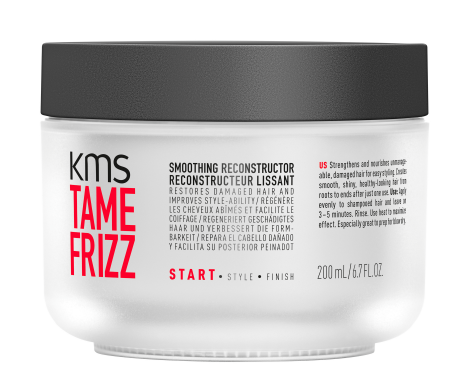
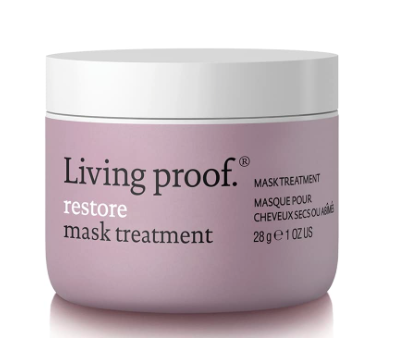
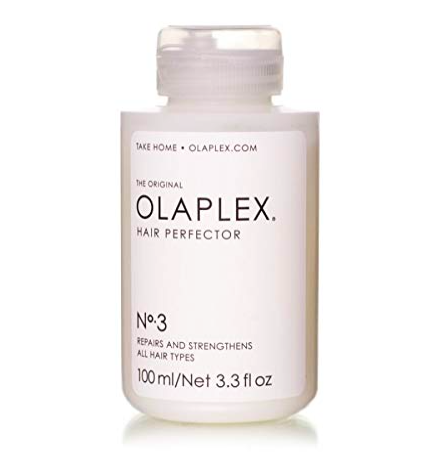
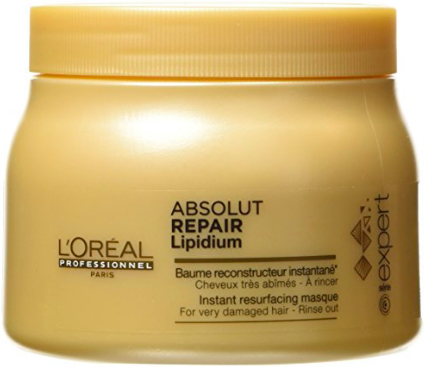
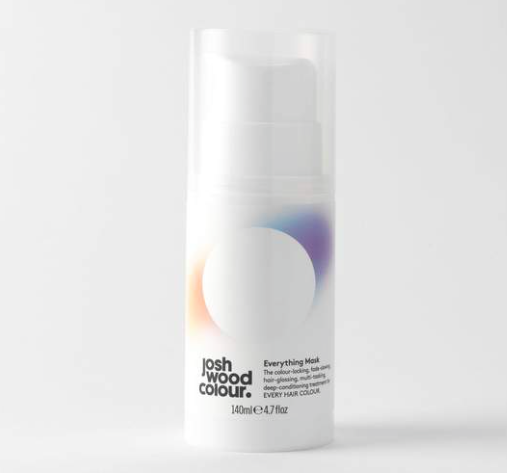
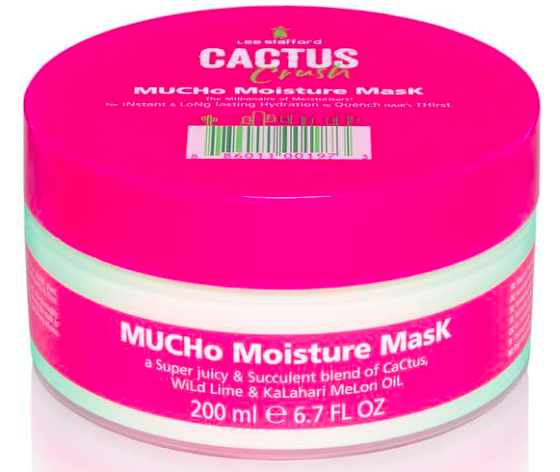
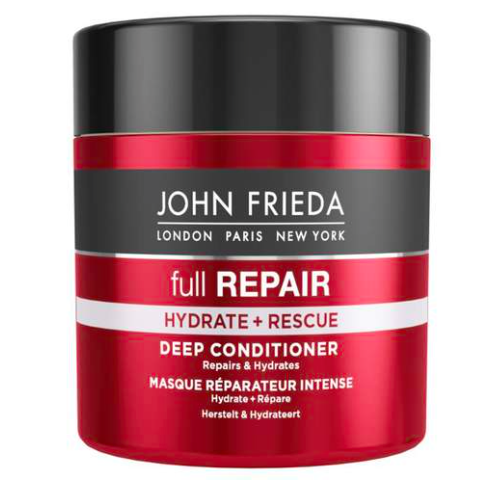
Dry and damaged hair? These are our favourite products for hydrating hair, below.
34 South ParadE, Summertown, Oxford, OX2 7JN
1. Using the ‘wrong’ brush
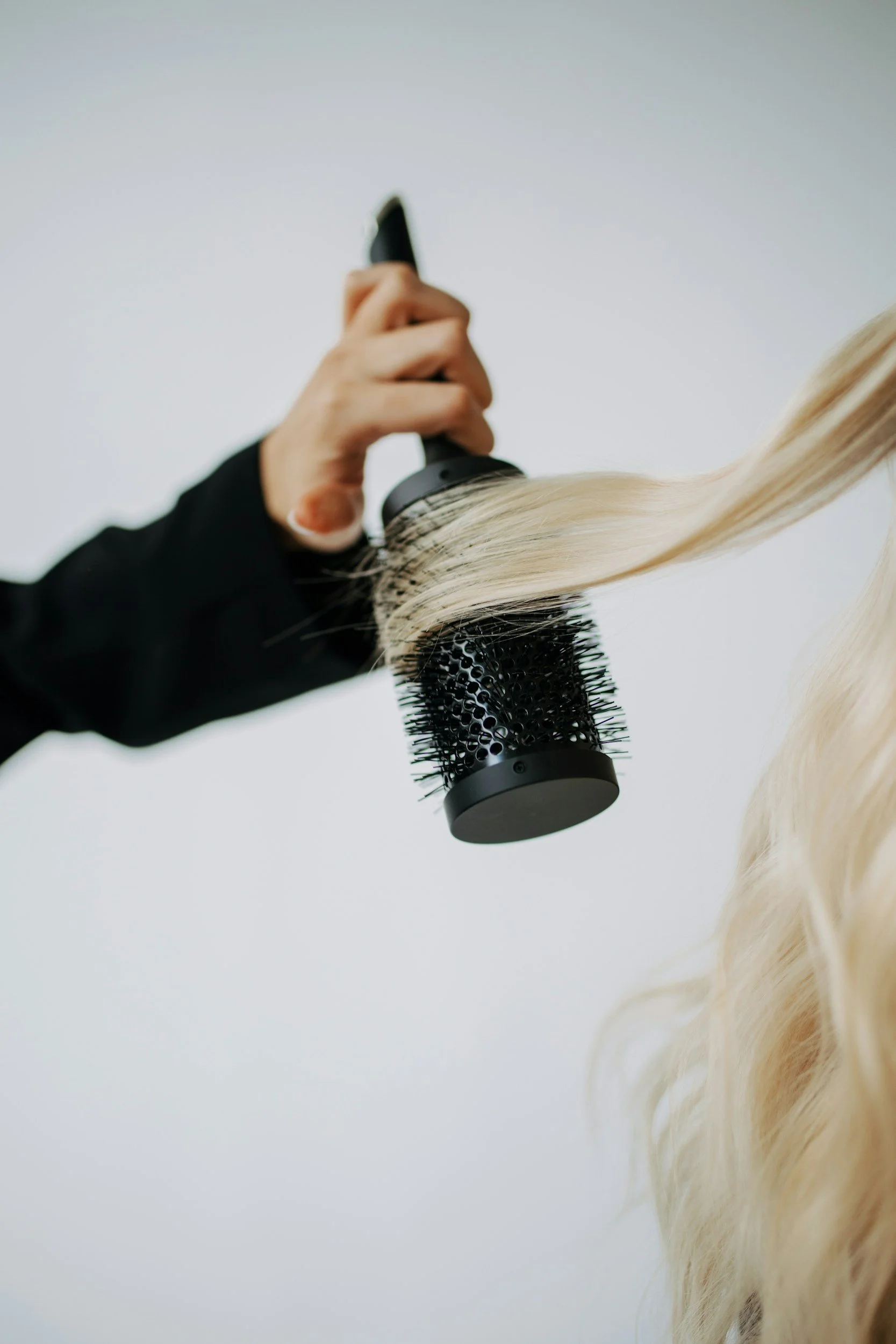
Not all brushes are created equal and it’s important to choose one that suits your hair type. Fine, thick, curly or textured hair each need something different. The ‘wrong’ brush can weaken the hair and cause breakage, while the right one helps detangle gently while stimulating the scalp. If brushing feels like a battle, it’s probably time to switch tools.
2. Washing too often… or not often enough
Overwashing can leave your hair and scalp dry, while underwashing can cause product buildup and irritation. For most people, washing around two or three times a week is the best way to keep hair healthy, and fresh.
3. Forgetting about your scalp
Healthy hair starts at the top - your scalp. If your scalp is dry, oily or full of product buildup, it can affect how your hair grows and behaves. Giving your scalp some attention can make a big difference to shine, strength, and overall hair health.
4. Heat styling without protection
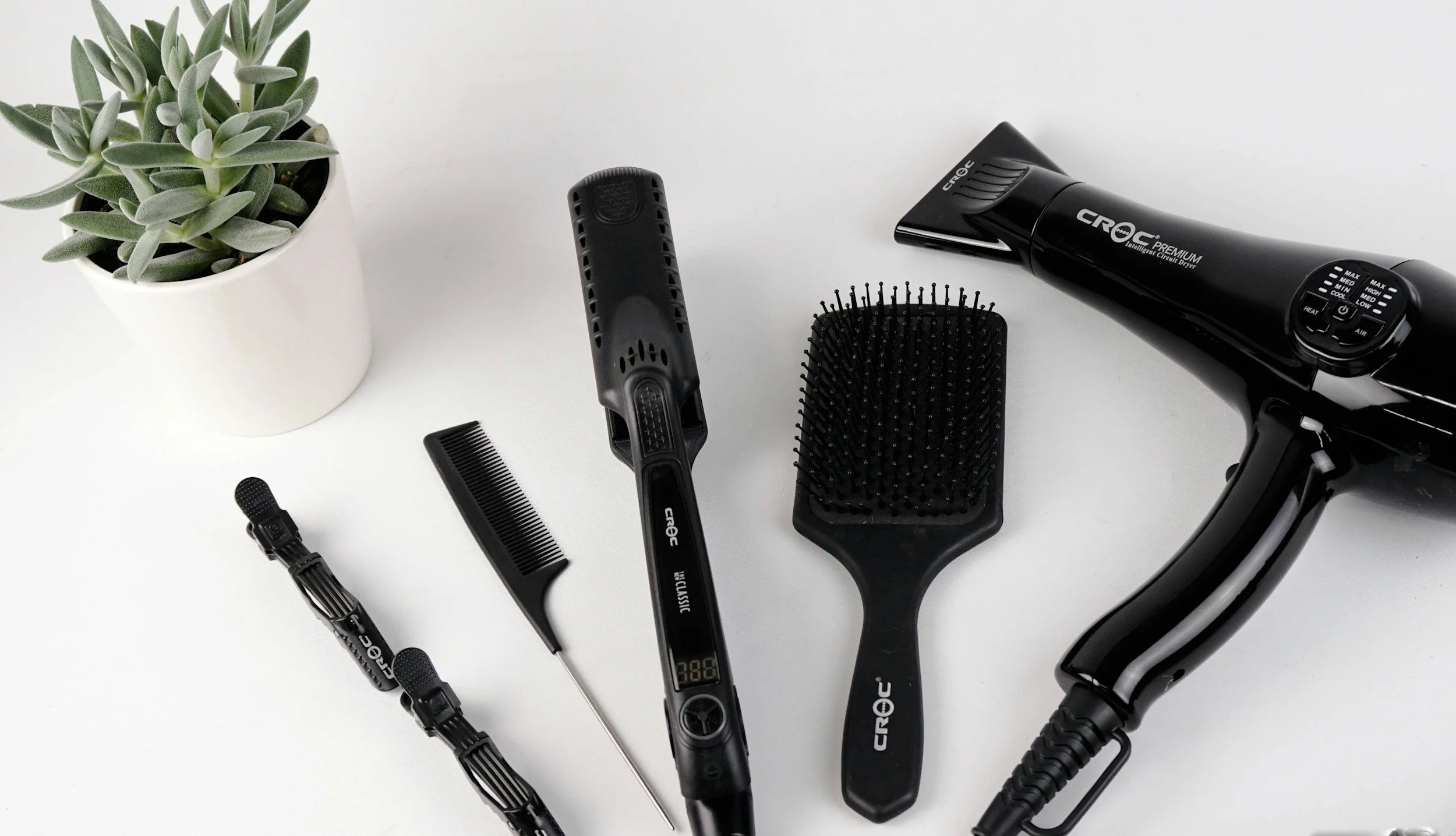
We get it — heat tools are part of everyday life. But using them without a heat protectant can seriously damage your hair over time. A good heat protector acts like a barrier, helping prevent dryness, breakage and dullness.
5. Avoiding products altogether
Hair products aren’t the enemy. When used correctly, they protect your hair, add shine and can help maintain your style. The key is using the right products for your hair type — not skipping them entirely.
The good news?
Most hair damage can be improved with a few small changes. Gentler brushing, better washing habits, scalp care and proper heat protection can transform your hair faster than you think.
Not sure what your hair needs? Whether you’re a regular client or visiting us for the first time, we’re always happy to recommend the right tools, products, and routine for your hair.
If you’re not familiar with silk pillowcases, they are a great way to maintain hair’s integrity and prevent breakage. They also help to prevent split ends.
Purple shampoo can help take the brassiness out of bleached blonde hair, just don’t use it too much - every few washes is enough.
Alternate between a protein and moistures place of your normal conditioner. We recommend L’Oreal’s Professionnel Absolut Repair Mask (£36, 500ml), which boasts a nourishing and reparative formula that leaves hair feeling soft and looking shiny.
Ideally have a haircut or trim immediately—or at least within a week—after getting your hair coloured to seal the ends. Then if you can, every eight weeks.
And while it might be tempting to chop it all off and start again, there’s no need for a new look (unless you really want one - in which case give us a call!).
Instead try our four-step plan to repair damaged hair:
Have a weekly hair mask: You can even sleep in it overnight (with hair wrapped in a microfibre towel) for maximum hydration.
Comb conditioner through before rinsing: This helps to improve the appearance of frazzled hair and has the effect of smoothing the hair cuticles down.
Use hair serum: This nourishes the scalp and hair follicles. We like L'Oreal's Absolute Repair Serum, which you can buy here.
Regular haircuts: A great haircut will revitalise hair and make you look - and feel - better about your damaged hair. You don’t have to go for a dramatic new style, just talk to us about your needs and we will deliver!
Shampoos that strip the scalp of its natural oils are a complete no-no! You need to understand that the longer the hair, the drier the ends.
You need to cleanse the dirt but you can't strip your hair of its nutrients. Opt for a super mild shampoo and conditioner and see the difference.
The longer your hair, the more it gets damaged by the heat, styling and sun damage. So make sure you take some time out once a week to do a hair mask or give yourself an oil massage. Take yourself out to get a hair spa treatment with us once a month, too.
Seriously, never ever start using the blow dryer on dripping wet hair! Make sure you towel dry hair thoroughly and let it semi air dry before you apply heat. Also, do yourself a favour and get a microfibre towel, which is gentler on the hair. Don't forget to add moisture with hair serum and heat protectant.
Teasing is the worst thing that you could do to your long hair. Your hair is already stressed by the weight. Instead, invest in a great texturising spray and scrunch your hair for volume.
Steer clear of alcohol-laden hair sprays and products with parabens, especially when those products need to be applied to your ends. Remember, the longer your hair the more nourishment your ends need!
You know how we keep recommending that you get regular trims? Well, we're not just saying it for fun - it's vital to do so when you have long hair to keep it healthy and strong.
This is a two-fold misdemeanour: give your hair a break, switch up the position of your ponytail/bun, let your hair down or braid it. Make sure your hair is not tied too tight and you don't use a hair elastic that causes breakage.
Use a ceramic or wooden bristle brush. It is less harsh on your scalp and also makes sure the natural oils get evenly distributed through the hair.
This is an edited version of beauty journalist Kannagi Desai's article on the Popxo website. Read the original version here.
Just like you cleanse your skin, your hair needs the same care. You don’t have to do this daily - how often you wash your hair depends on its dryness and if you have product build up. Washing your hair will leave it and your scalp feeling clean, removing any products, grease, dirt and dead skin cells which might have built up.
Conditioning your hair helps to detangle, seal the cuticles and provide moisture. It replenishes the moisture that your shampoo may have removed, and it will help remove any knots or tangles that were caused by massaging your shampoo onto your hair and scalp.
Never use heated styling tools like curlers or straightener on wet or damp hair. After applying a heat protectant, let your hair air dry for a couple of minutes before applying heat.
After styling your hair or letting it air dry, add back in a little moisture. Also on days where you’re not washing your hair, your hair may benefit from a moisture boost. This is where hair oil comes in, our favorite multitasker! Hair oils are also great for controlling frizz and preventing dryness.
Try a weekly mask, oil or a scalp treatment. This can help tackle damage, dryness and an oily, flaky or dry scalp, and improve the overall appearance and health of your hair.