How to use dry shampoo so your hair actually looks fresh

Dry shampoo can be a brilliant shortcut when your roots look oily but the rest of your hair still looks good. It can also give freshly washed hair a little grip and lift. The trick is where you put it, how much you use and what you do after spraying.

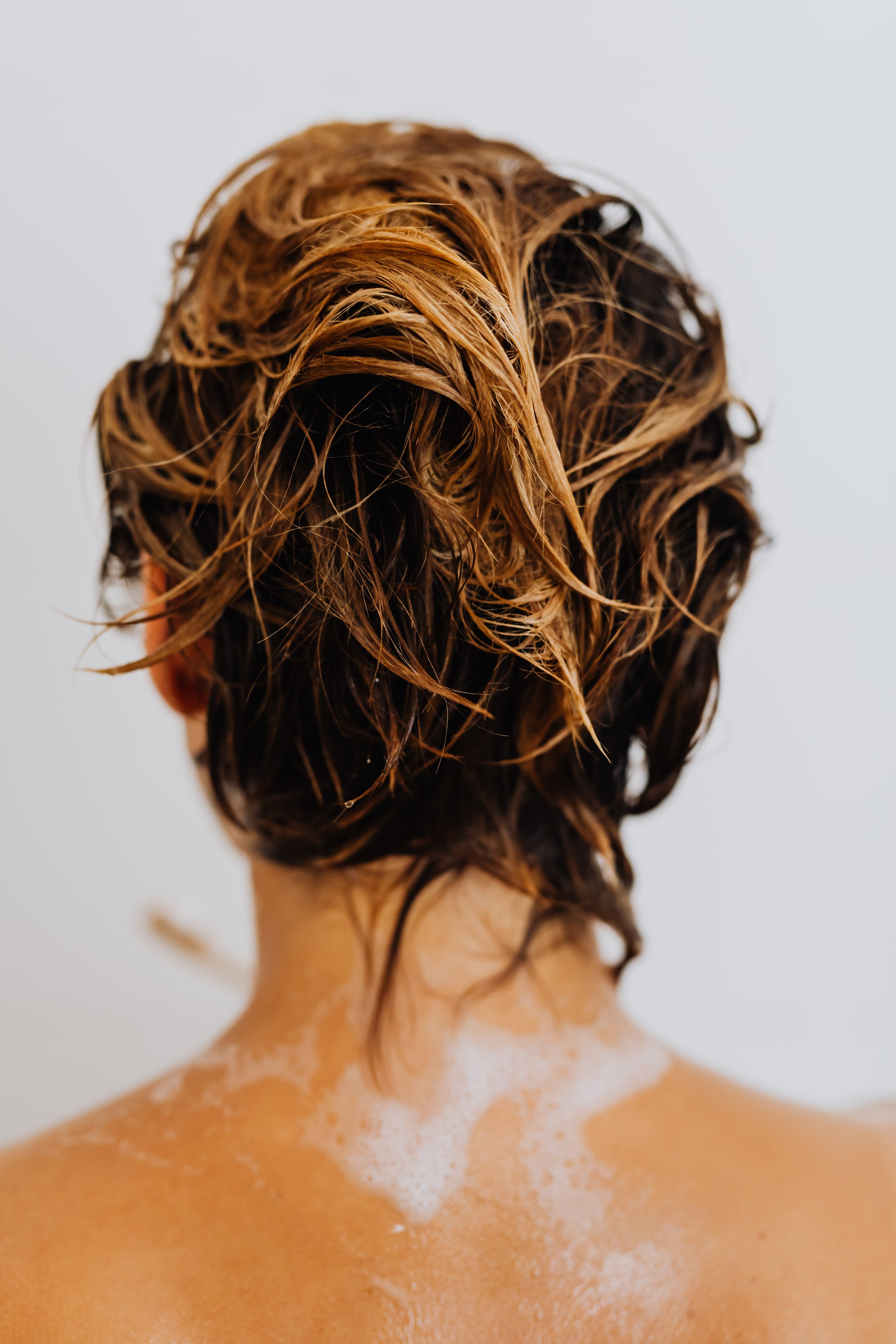
Pic credit Emily Atack Instagram

The two-minute routine for greasy roots

1. Start with dry hair. Dry shampoo works best at the roots of dry hair. If you’ve just done a workout, let your scalp and hair dry first.

2. Part your hair into sections. Lift a section, apply a small amount to the roots, then move to the next. Focus on the crown, parting and areas around the hairline that look oily. You don’t need to coat your lengths.

3. Give it a moment. Follow the directions on your product, especially the distance to hold an aerosol can from your head. Let the product sit briefly so it can absorb oil before you touch it.

4. Work it through. Massage the roots with your fingertips, then brush or comb where it suits your style. If you can still see powder, keep working it through rather than adding more.

5. Check in natural light. A quick look near a window makes it easier to spot any residue along your parting or hairline.

Start with less than you think you need. You can always add another light application to a greasy patch; too much at once can leave hair feeling coated.

Want volume rather than an oil fix?

Apply a little dry shampoo to the roots at the crown, even if your hair isn’t particularly greasy. Let it settle, then massage the roots and gently lift them with your fingers. For extra height, change your parting or flip your hair to the opposite side for a moment before styling it back.

Fine hair can benefit from a light touch. The aim is a little texture and separation at the roots, not a cloud of product through every layer.

The night-before trick

If you know your roots tend to look oily by morning, try a small amount before bed. Apply it to dry roots, give it time to settle, then leave it alone. In the morning, massage or brush it through and see whether you need any more. This gives you a head start without piling on product as you’re heading out the door.

Remember: it’s a refresh, not a wash!

Dry shampoo absorbs some oil and can make hair look cleaner, but it doesn’t remove sweat, dirt or product build-up from your scalp. Keep washing your hair as often as your scalp needs, especially if you’ve been exercising or layering on styling products.

These are the three most common hair problems and how to fix them

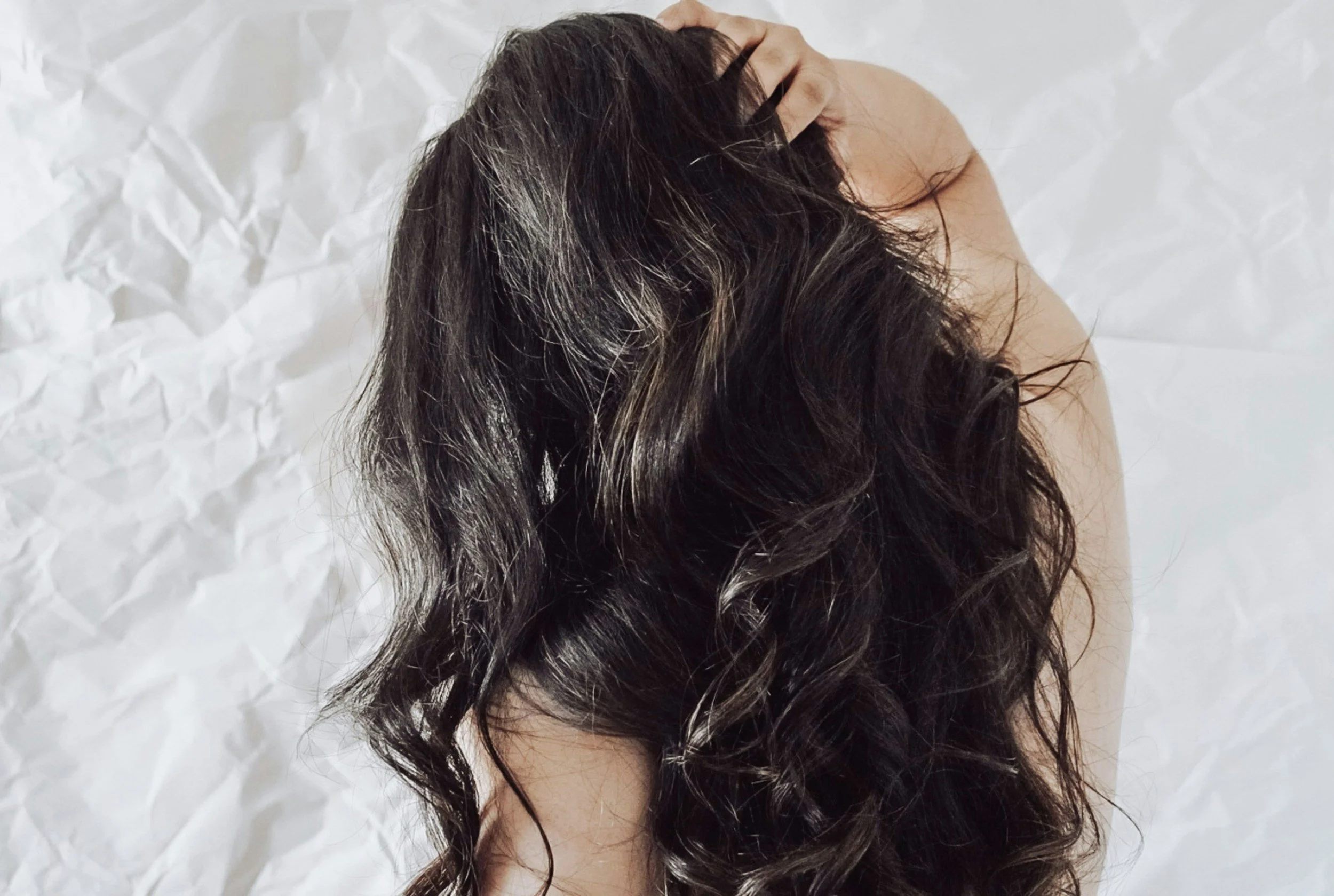
Oily, dry or frizzy hair can leave you feeling deflated and like you hide under the duvet for the day. No need - here are our salon-approved tips to restore your hair to its former glory.


Problem: Oily, greasy hair

Solution: The best way to get rid of oily scalp and greasy hair is to improve your hair care regime. That means washing your hair with a paraben-free shampoo and conditioner to clear your clogged pores and scalp.

You could also try using a clarifying shampoo every so often, which can help reset the health of your hair. Diluted apple cider vinegar or tea tree oil also helps.

Problem: Dry scalp

Solution: Argan oil brings back moisture to your scalp and forms a protective layer against extreme heat. You also need to avoid using any heat-based hair styling products while suffering from a dry scalp.

Problem: Frizzy hair

Solution: Washing your hair less often and avoiding hot water can help with the frizz. Applying Argan oil can also add moisture to hair and protect it from excess heat.

How often should I wash my hair? The experts wade in

How often should you wash your hair? It’s a question we get asked a lot at the salon, and the answer depends on a few different things.

What happens if I wash my hair too much?

If you wash your hair too much, you can remove the sebum (the natural oil your scalp produces). This is vital to healthy, shiny hair. But don’t be scared of oily hair, because despite what shampoo brands want you to believe, washing your hair a lot can turn your good hair day into a bad day.

Most people don’t need to wash their hair every day or even every other one, and how often you do it depends on quite a few factors. The simplest answer is that you should wash it once it’s oily and feels unclean to the touch.

What other factors influence how often you should wash your hair?

Sebum (hair’s natural oil)

Oil is probably the biggest culprit behind what most people consider dirty hair, and it can leave hair limp and clumpy. How much oil you produce will depend on your age, genetics, sex and environment. Children and older adults don’t produce as much sebum as teenagers or 20-30 year olds.

Hair type

Straight and thin hair will need to be washed more often than thick or curly hair. This is because straight hair is easily coated by sebum, so it’ll look greasy faster. Thick, wavy or curly hair tends to be dry because the oil doesn’t coat the strands as easily. Sebum is actually a crucial part of well-defined curls, because curly hair needs more moisture to stay soft and prevent frizzing.

Sweat

As you might expect, a sweaty workout does your hair no favours. How much you sweat is a big factor in how often you ought to wash, or at least rinse, your hair. Sweat can spread sebum and make your hair look and feel dirty. It can also cause your hair to smell.

How often should you wash your hair?

How often should you wash your hair? It’s a question we get asked a lot at the salon, and the answer depends on a few different things…

If you wash your hair too much, you can remove the sebum your scalp produces - this is vital to healthy, shiny hair. And don’t be scared of oily hair, because despite what shampoo brands want you to believe, washing your hair a lot can turn your good hair day into a bad day.

Most people don’t need to wash their hair every day or even every other one, and how often you do it depends on quite a few factors. The simplest answer is that you should wash it once it’s oily and feels unclean to the touch.

But what other factors influence how often you need to wash your hair?

OIL

Oil is probably the biggest culprit behind what most people consider dirty hair, and it can leave hair limp and clumpy. How much oil you produce will depend on your age, genetics, sex, and environment. Kids and older adults don’t produce as much sebum as teenagers or 20-30 year olds.

TYPE OF HAIR

Straight and thin hair will need to be washed more often than thick or curly hair. This is because straight hair is easily coated by sebum, so it’ll look greasy faster. Thick, wavy or curly hair tends to be dry because the oil doesn’t coat the strands as easily. Sebum is actually a crucial part of well-defined curls, because curly hair needs more moisture to stay soft and prevent frizzing.

SWEAT

As you might expect, a sweaty workout does your hair no favours. How much you sweat is a big factor in how often you ought to wash, or at least rinse, your hair. Sweat can spread sebum and make your hair look and feel dirty. It can also cause your hair to smell.

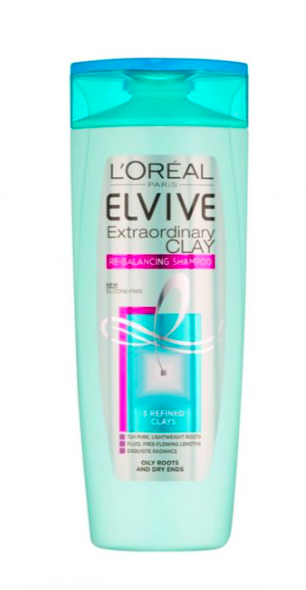
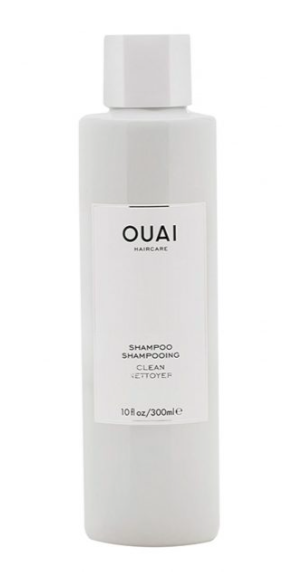
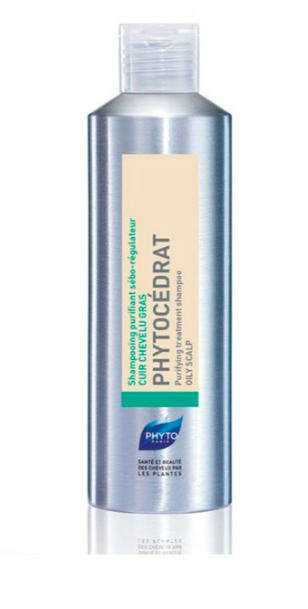
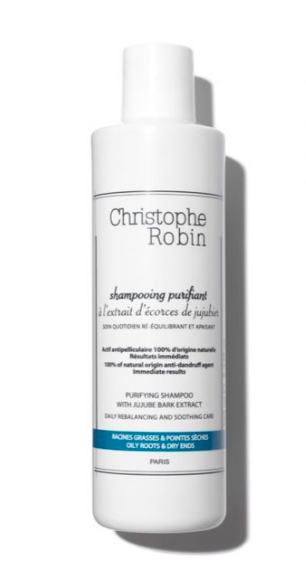
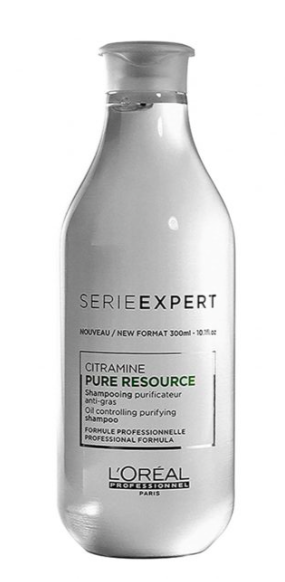
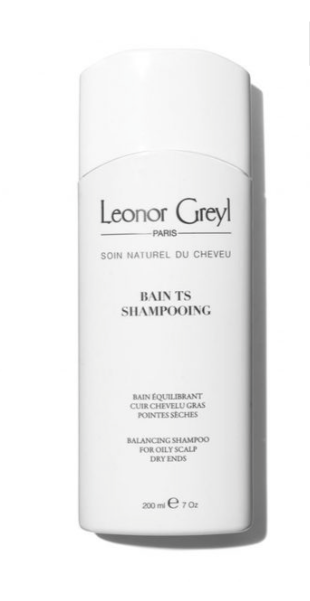
Six of the best shampoos for greasy hair

Greasy hair is not a look anyone is striving for and even with the best dry shampoo in the world, sometimes the only answer is a good old fashioned wash.

And if you’re looking for a product to get rid of heavy duty oil without stripping your hair of its natural goodness, we’ve rounded up some of our favourites.