
Few things are more irritating than perfecting your blow-dry, only for a halo of tiny hairs to spring up around your parting. And while a little texture is lovely, sometimes you want your hair to look smooth, glossy and put together.

The secret? A few tweaks to your routine and a light touch with your styling products. Here’s our stylist-approved tips for how to get those wayward strands under control.
Get to know your flyaways
Before reaching for a serum, consider what you’re trying to smooth. Flyaways can be new hairs growing through, strands that have snapped or hairs lifting because of static.
That means they don’t all need the same approach. New growth needs gentle styling, while breakage calls for a closer look at how you handle your hair.
Start smoothing in the shower
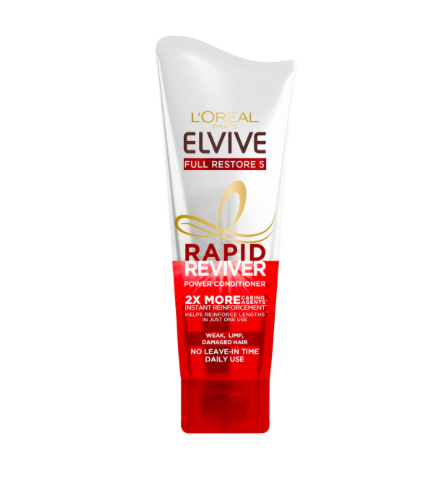
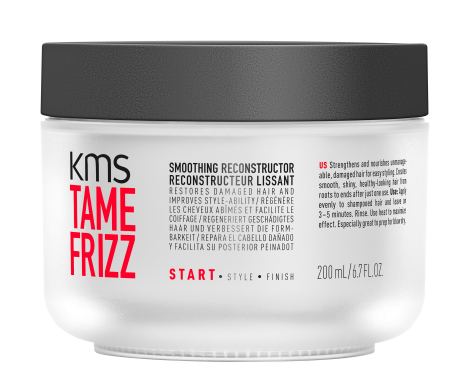
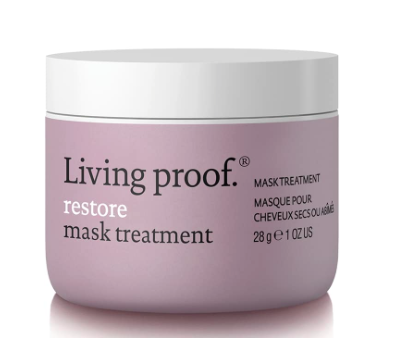
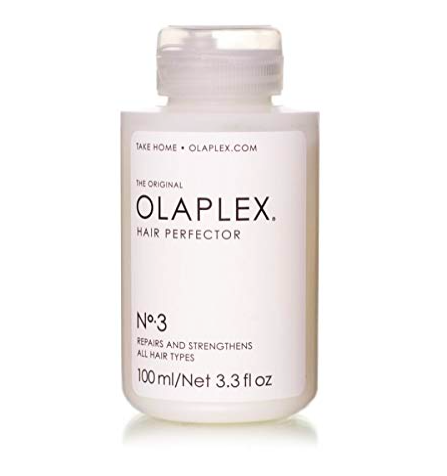
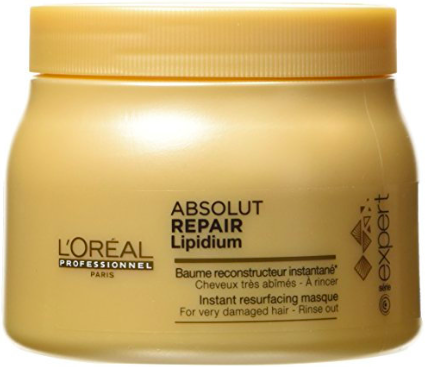
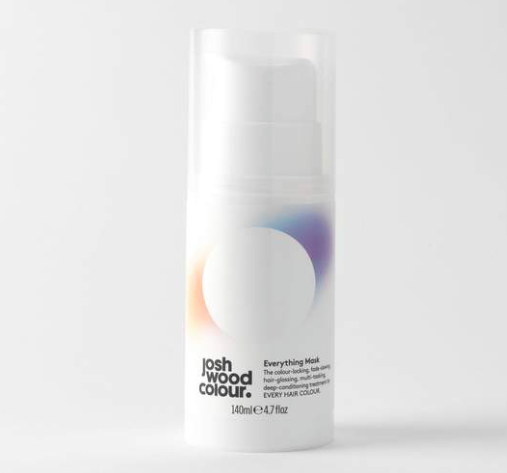
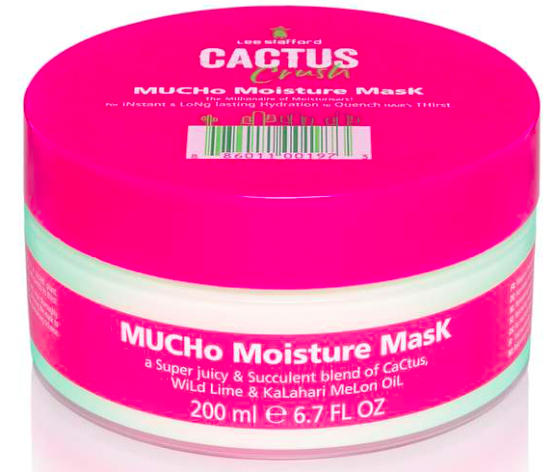
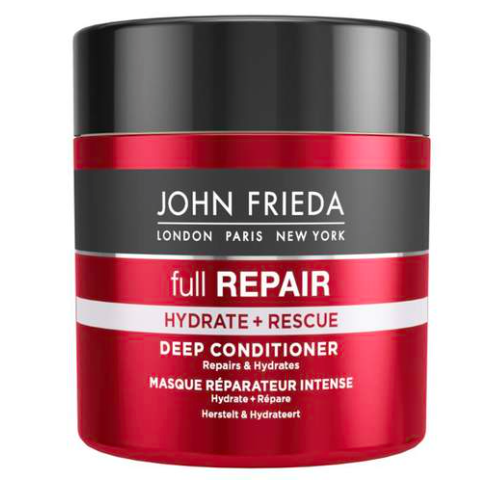
A good conditioner makes hair easier to manage, so give your lengths and ends some attention when you wash. If they feel particularly dry, bring a conditioning mask into your routine.
Choose a formula that suits your texture: lightweight conditioning for fine hair, something richer for thicker strands. Too much product can leave hair looking flat before you’ve even picked up the dryer.
Rethink the towel rub
That vigorous towel-dry might save a few seconds, but the friction can rough up your style before it’s begun.
Gently squeeze out excess water with a soft towel, microfibre towel or cotton T-shirt instead. Then ease out tangles from the ends upwards, taking your time with any knots.
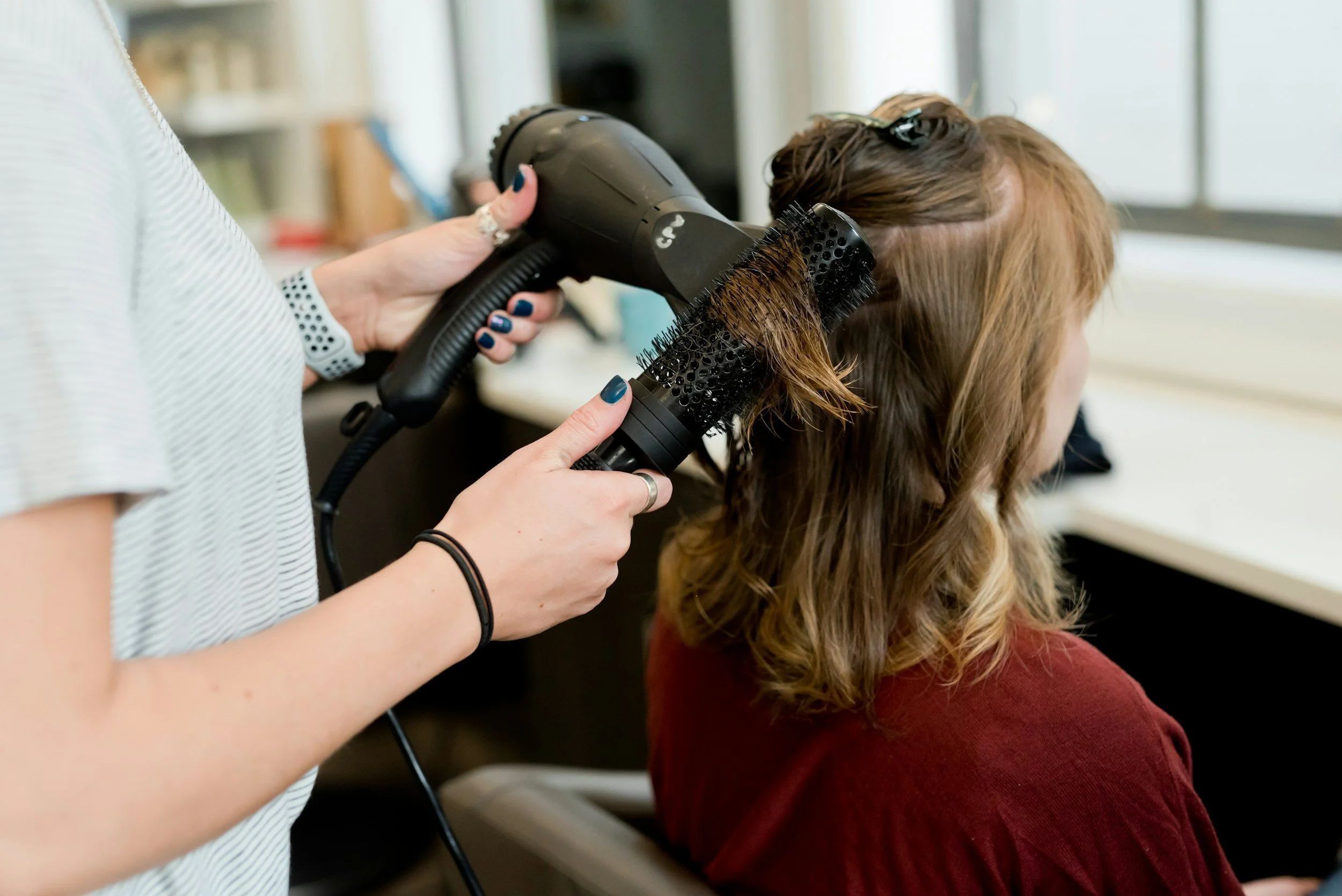
Give your blow-dry some direction
For a smoother finish, direct the airflow down your hair towards the ends. A nozzle attachment helps keep it focused, rather than blowing strands in every direction.
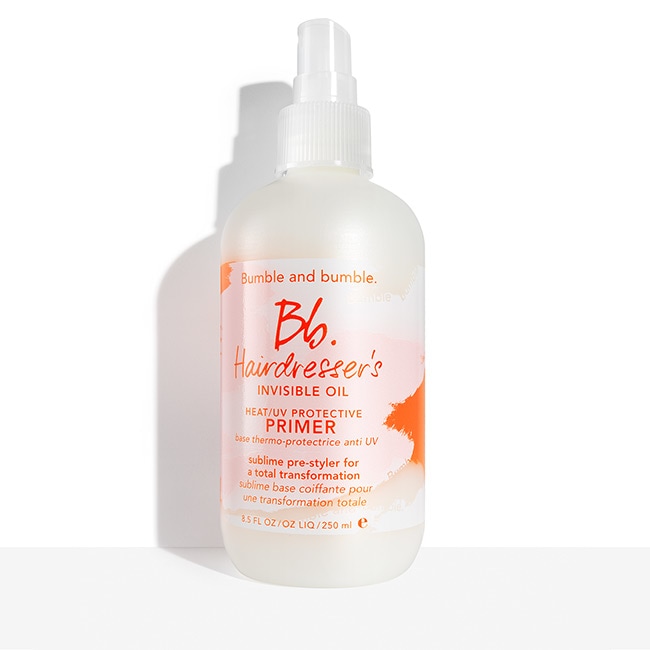
Apply heat protectant first, keep the dryer moving and avoid repeatedly heating sections that are already dry. More heat isn’t the shortcut to a better blow-dry.
Make your finishing product work harder
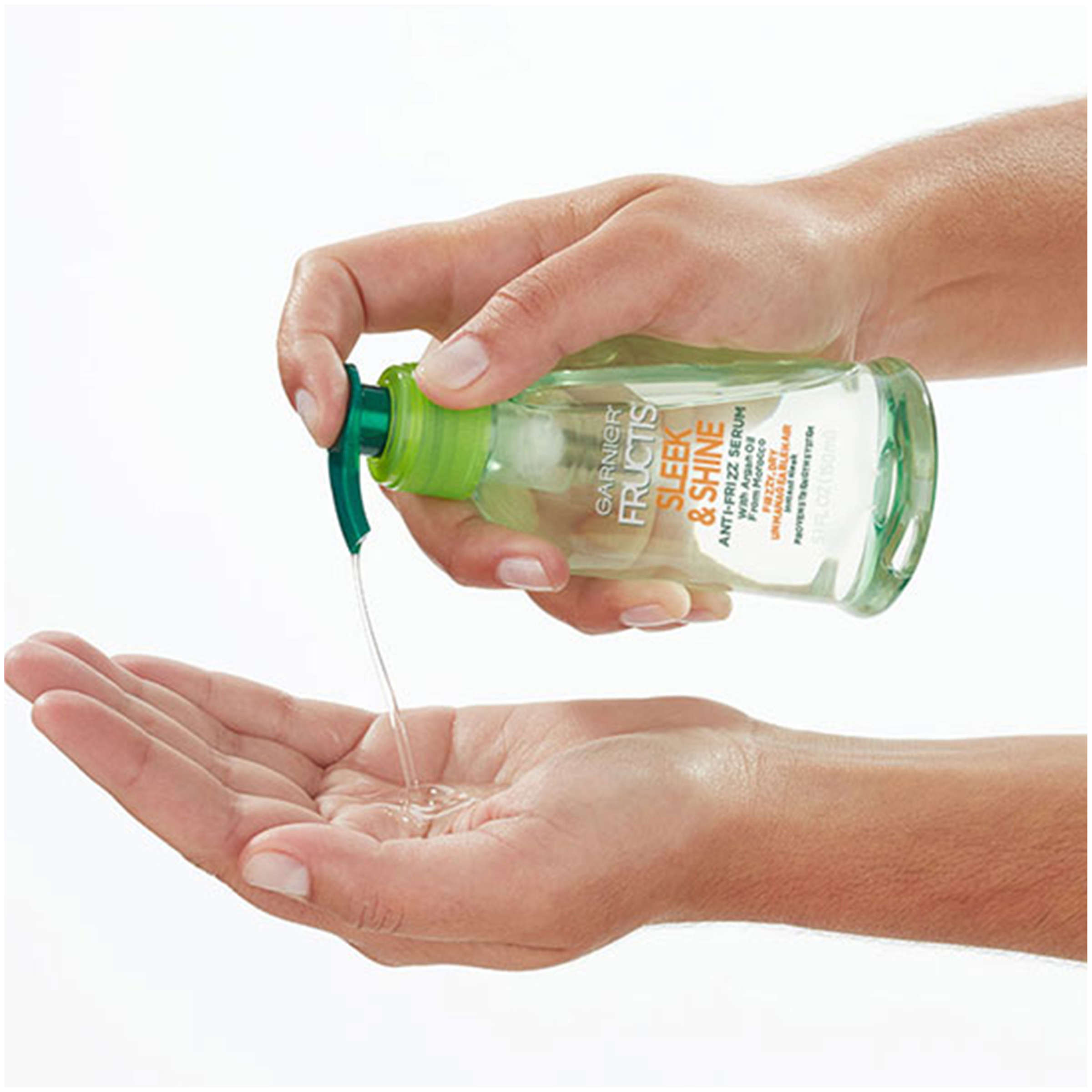
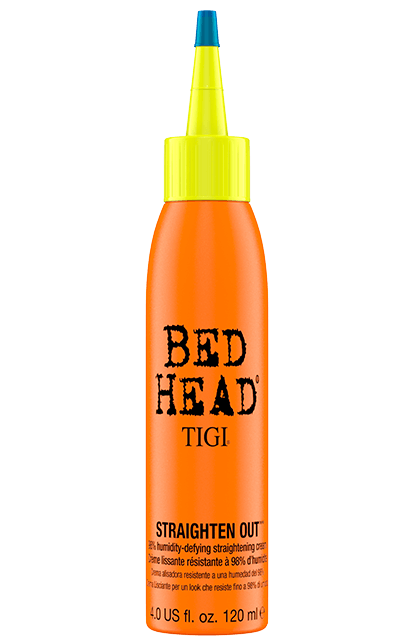
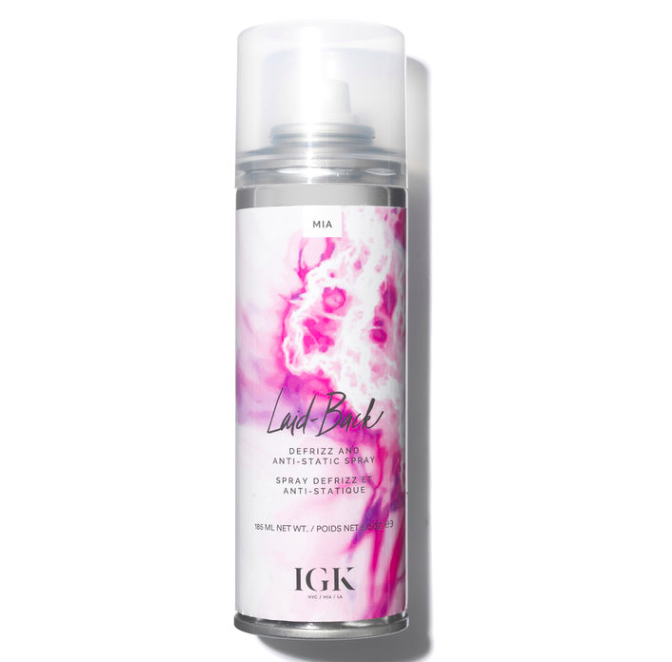
A little serum or smoothing cream can make a big difference. Start with a tiny amount, spread it between your palms and lightly skim over the surface of your hair.
Keep richer products mainly on the lengths and ends, especially if your roots get oily easily.
For those stubborn little hairs around your parting, apply a small amount of hairspray to a clean spoolie or styling brush, then gently sweep them into place. It gives you more control than another all-over blast of spray.

Take the tension out of your ponytail
A sleek ponytail is always tempting on a busy morning, but repeatedly pulling it tight can contribute to breakage.
Use a soft, snag-free hair tie, vary its position and resist the urge to tug harder just to catch every last strand. A few soft hairs around your face can be part of the look.
Book a trim with a purpose
If your ends are damaged, a trim can help your hair look neater. But cutting won’t solve static, and those little hairs may simply be new growth. Ask your stylist to help you work out what’s going on, then choose a cut and home routine that suit your hair.
Ready for a smoother finish? Book an appointment at Pankhurst & Deane for styling advice tailored to your texture, your routine and the look you love.





Quisque iaculis facilisis lacinia. Mauris euismod pellentesque tellus sit amet mollis.