
34 South ParadE, Summertown, Oxford, OX2 7JN

Cold weather = dry, damaged hair. Here’s how to fix it.
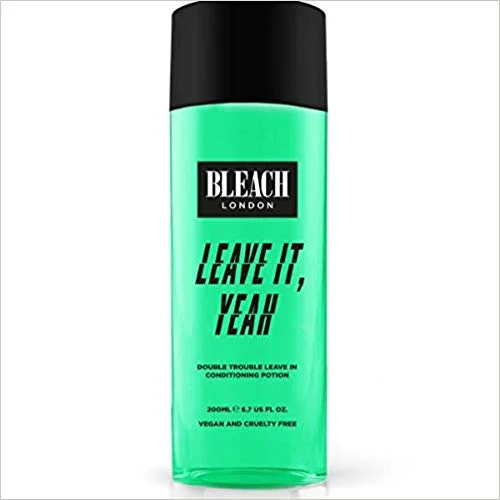
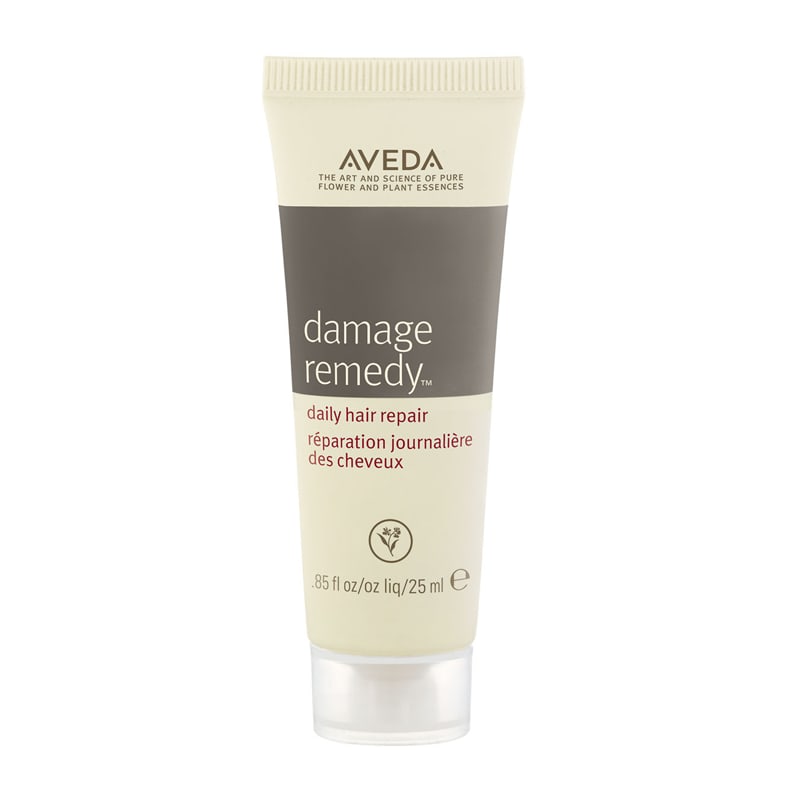
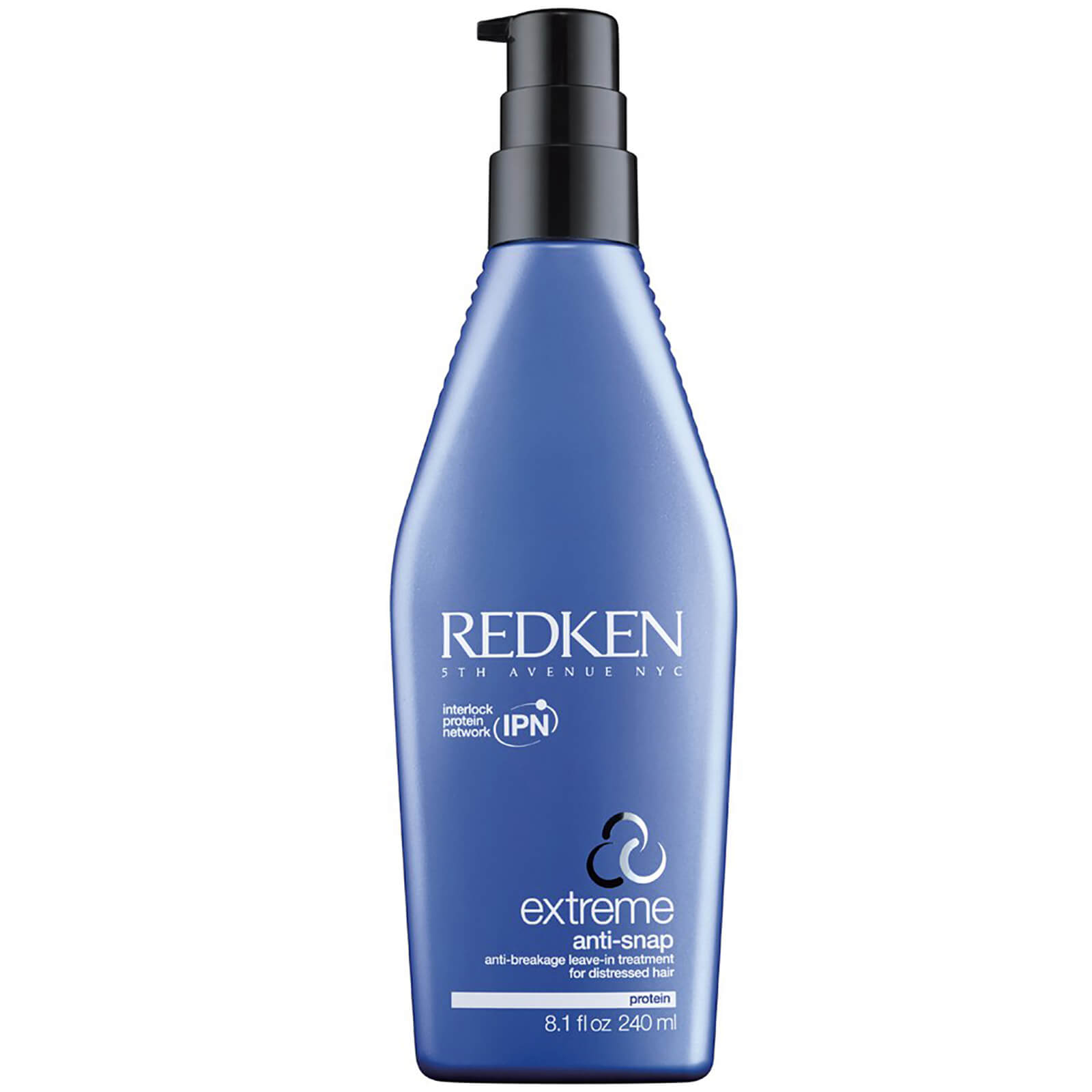
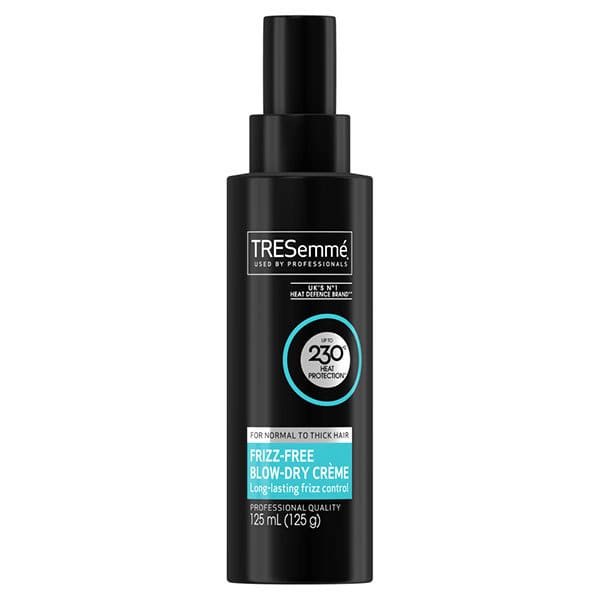
Protect against the cold with these 6 leave-in conditioners...
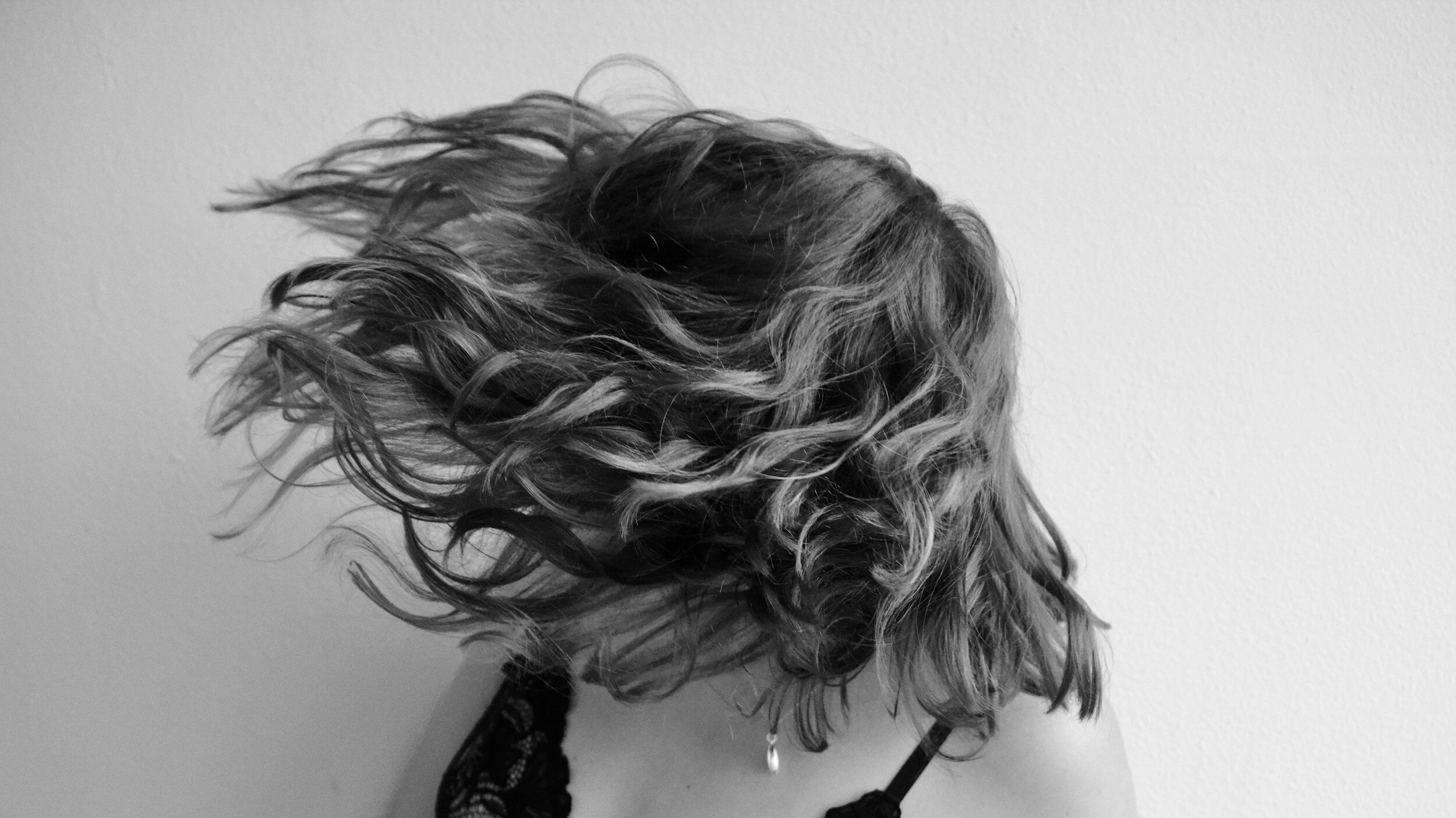
With 50 per cent of women experiencing hair loss at some point in their lives, here's our top three tips to preserve and protect:
What you eat really does affect how healthy your hair is. The hair follicle lives in what is known as the ‘dermal layer’ of the scalp, which is supplied by a network of blood vessels that deliver nutrients to the cells.
So you need a healthy diet rich in proteins and vitamins in order for your hair to benefit. Protein like meat, eggs, cheese, tofu and nuts are particularly good for follicles because they help boost the hair-thickening fibre, keratin.
Eat foods rich in Vitamin D - like tuna,mackerel and salmon - to keep the hair growth cycle ticking over. Iron, found in red meat and spinach, helps carry oxygen to the hair and zinc, found in baked beans and almonds, encourages the production of protein.
Massages aren’t just good for the body and soul - a head massage is a simple and quick way to boost the blood flow to your hair bulbs, spurring them into action.
You don’t even need to go to a fancy salon. Just use your fingertips to push and press products into your scalp. Apply some castor or sesame oil, which is full of fatty acids and proteins to promote growth, into your hair before massaging. A recent study revealed that scalp massage increased hair thickness!
Eating well, not feeling stressed and have no history of hereditary hair loss but you’re still filling the shower plughole daily? Research has found that hair tends to shed most in late summer and early autumn, which could be down to evolution.
Less hair loss in summer means we are protecting the scalp against harmful UV rays with our luscious locks, but as they die down in autumn the hairs will often fall out. So what’s the answer? Fake it by investing in some of these scalp-stimulating and follicle-fattening products….

This ponytail trick is the fastest way to make your updo look professional. After you’ve secured your ponytail, grab a small bit of hair from the pony and wrap it around the base of your ponytail to cover the hairband.
Coat the very end of the section with hairspray, and smooth it against the base to seamlessly secure it.
If you love the tousled beach look, and are already a fan of sea salt spray, did you know you can make it at home?
Simply mix together 500ml of sparkling water and a teaspoon of sea salt in a spray bottle. While your hair is damp, spritz the mixture onto the ends of your hair, and use your fingers to scrunch them up.

Learning how to curl your hair with your straighteners is great especially when you’re going away and don’t want to take loads of different styling tools with you.
First, grab a small section of hair. Then, hold your straighteners vertically with the open end pointed upward. As you clamp the hair, begin rotating it away from your face. Don’t slow down or stop - the key to getting consistent curls is to keep the movement fluid.
As you keep rotating the straighteners away from your face, allow your hair to slowly slide through the clamp until you reach the end. For looser waves, lower the heat on your straighteners and brush them out after you’ve finished curling.

Heat damaged hair happens when the hair cuticles are broken. The cuticles are the outer layers of each strand of hair, and they're made up of proteins that form shingles, a bit like a roof. These shingles overlap to keep strands moisturised and protected.
Heat damage causes these shingles to rise up, exposing the inner layer of hair and when this happens, your hair will become dehydrated and struggle to contain moisture.
It’s quite obvious as your hair will look dull, and feel dry and brittle. If you’re a curly girl, you might notice you’ve lost your natural bounce. Straight hair loses its sleekness and you might see more split ends and flyaway hairs.
The most dramatic heat damaged hair treatment option is cutting your hair. This is the only way to 'undo damage because you're removing hair that has split ends, hair that's damaged and has been weakened by over-use of hot tools.
If you aren't ready for a complete haircut, getting a trim off the ends of your hair can help while allowing you to keep the length.
Aim for products that are free from sulfates and parabens and made specifically for damaged hair. Damaged hair shampoos, conditioners, and leave-in conditioners add moisture into your hair and help to rebuild the broken protein bonds. If you wash your hair daily, consider going a little longer between washes to allow some of the natural oils to build up and create a protective barrier around your hair.
Heat damaged hair has become severely dehydrated because the moisture is stripped when you use a hairdryer, straighteners or curlers on a high heat setting. You can help rehydrate your hair with a moisturizing hair mask once or twice a week.
Heat protectant sprays create a barrier between your hair and the hot tools, so you can dry and style your hair without causing more damage. And the great thing is, heat protectants can be applied to dry or wet hair.

How quickly your hair grows is dependent on a lot of things, and keeping it hydrated with good quality products can certainly help.
Similar to your skin, hair requires a lot of love to promote growth and shine - and your diet can actually have some serious impact. While genetics plays a big role in hair loss, a poor diet can also contribute.
Here are three super foods you can eat today to help your hair grow faster:
As hair is made of protein, it only makes sense that upping your intake of this essential macronutrient can improve its health. Start with eggs, which are filled with B vitamins, encouraging hair growth and reducing hair fall and damage.
Fun of vitamin C, berries are packed with antioxidants that protect the hair follicle against damage. Vitamin-rich berries also boost hair growth.
Studies have shown that the minerals contained in avocados help seal the hair cuticle cells. The combined potassium and magnesium present in this tasty fruit also helps to give a smooth and shiny appearance to hair.

The difference between fighting your curls and loving them lies within your hair care routine. Let's be honest, curly hair is different from other hair textures.
It requires more hydration, less washing, and a lot more TLC than straighter hair types. But curly hair doesn't have to be hard work. Follow these tips to help you find the best curls of your life.

But firstly, what are split ends and what causes them?
Split ends are basically when the ends of your hair are brittle and dry, and they look like they are splitting.
What causes split ends?
The most common causes are chemical treatments and styling including blow drying, heat styling, perming, bleaching and all types of hair colouring as well as infrequent hair trims. Environmental elements such as the weather can and often do result in split ends, too. But don’t worry as split ends are normal and it doesn’t mean they are your fault.
How to prevent split ends
First up, regular trims removes the damaged ends and prevents them from traveling up the hair shaft. Aim for a haircut every 6-8 weeks to prevent split ends. Other things that can help is showering with cooler water than usual, and finishing your shower with a cold blast to seal your cuticle at the end.
When your hair is wet, it’s also at its most vulnerable - it can stretch up to 50% when it’s wet. So put any leave-in conditioners before combing your hair, and try to avoid sleeping with wet hair. Using a microfibre towel, as opposed to a standard cotton one, straight out of the shower can also help protect hair. This is because microfibre causes less friction on hair especially when it’s fragile. Cutting back on heated styling can also reduce damage.
How to fix split ends
When it comes to repairing split ends, treat your hair like you would your skin. So that means use products that add moisture and that are deeply hydrating like a leave-in conditioner or serum.
Quisque iaculis facilisis lacinia. Mauris euismod pellentesque tellus sit amet mollis.