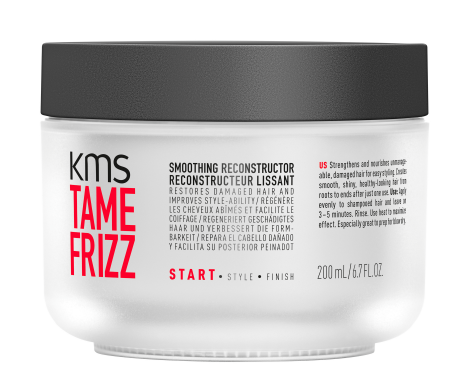
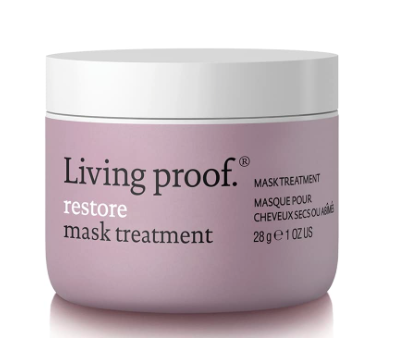
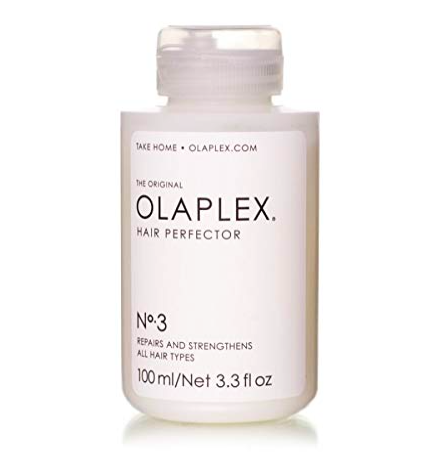
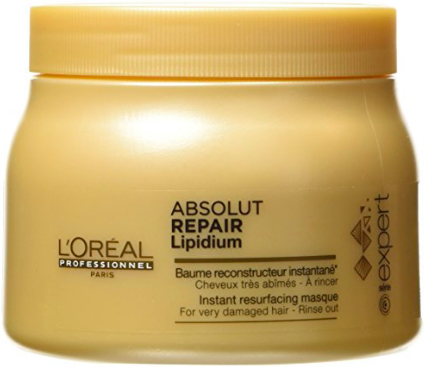
Dry and damaged hair? These are our favourite products for hydrating hair, below.
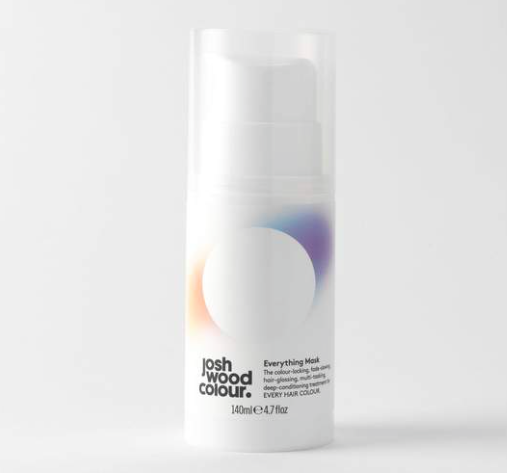
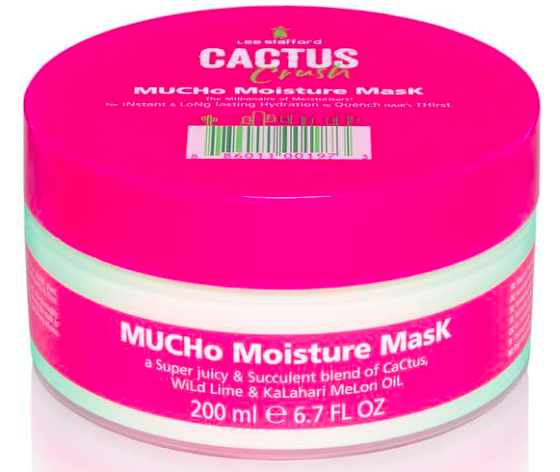
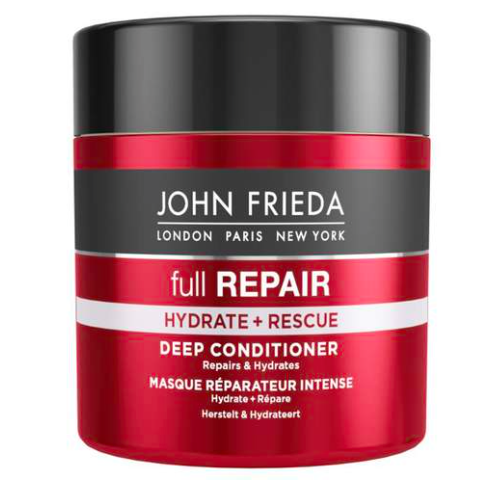

34 South ParadE, Summertown, Oxford, OX2 7JN
Solution: The best way to get rid of oily scalp and greasy hair is to improve your hair care regime. That means washing your hair with a paraben-free shampoo and conditioner to clear your clogged pores and scalp.
You could also try using a clarifying shampoo every so often, which can help reset the health of your hair. Diluted apple cider vinegar or tea tree oil also helps.
Solution: Argan oil brings back moisture to your scalp and forms a protective layer against extreme heat. You also need to avoid using any heat-based hair styling products while suffering from a dry scalp.

Solution: Washing your hair less often and avoiding hot water can help with the frizz. Applying Argan oil can also add moisture to hair and protect it from excess heat.
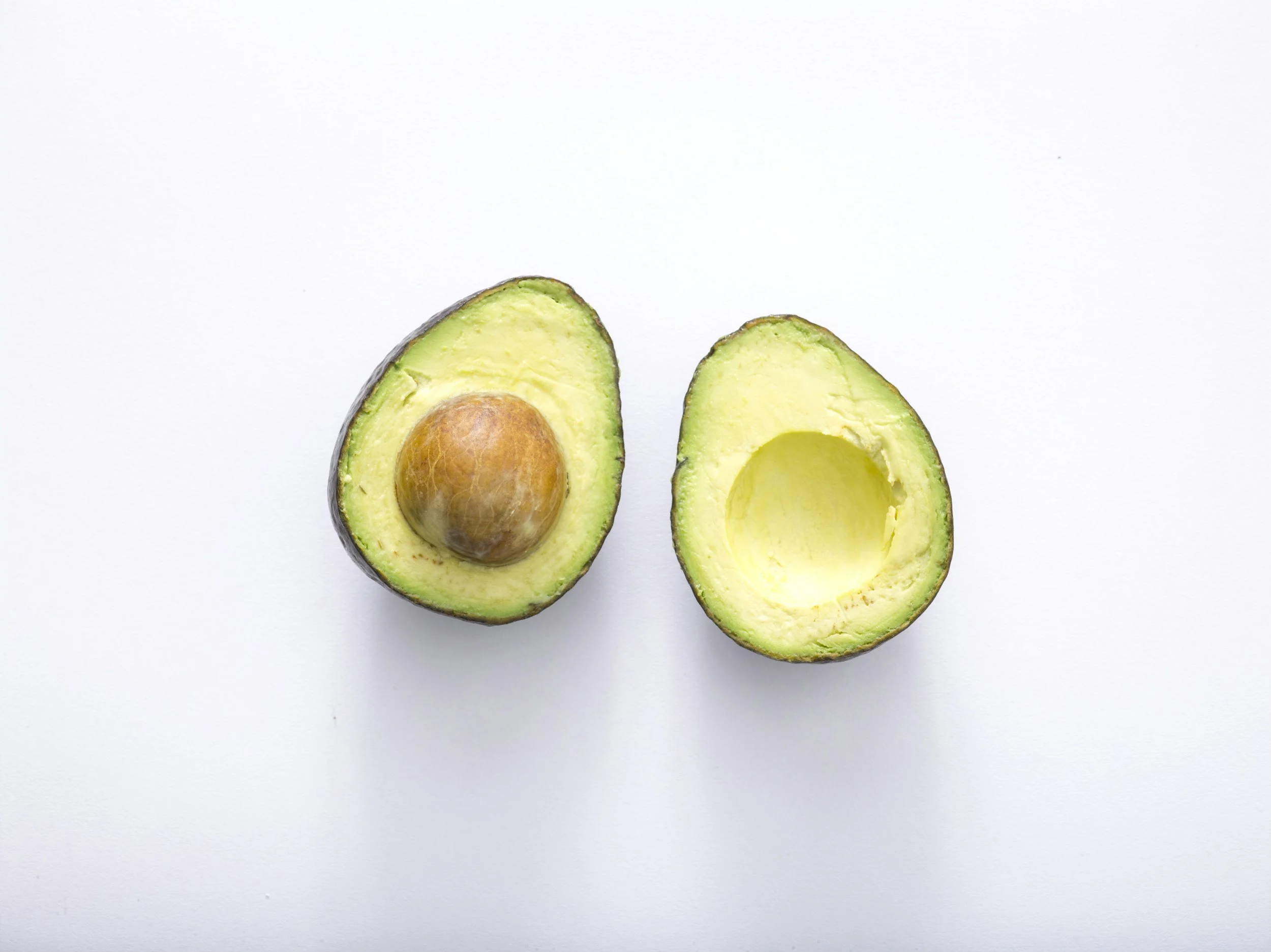
Avocados contain natural oils that are super hydrating for dry hair, so using it in a mask is a great way to add shine. It’s also full of vitamins that are nourishing to the scalp and can help hair look healthier.
Mash an avocado until smooth. You can also use a blender to process it.
Wet your hair then spread the avocado from your roots to your tips.
Leave it in your hair for at least 15 minutes.
Shampoo your hair as normal then rinse with cold water.
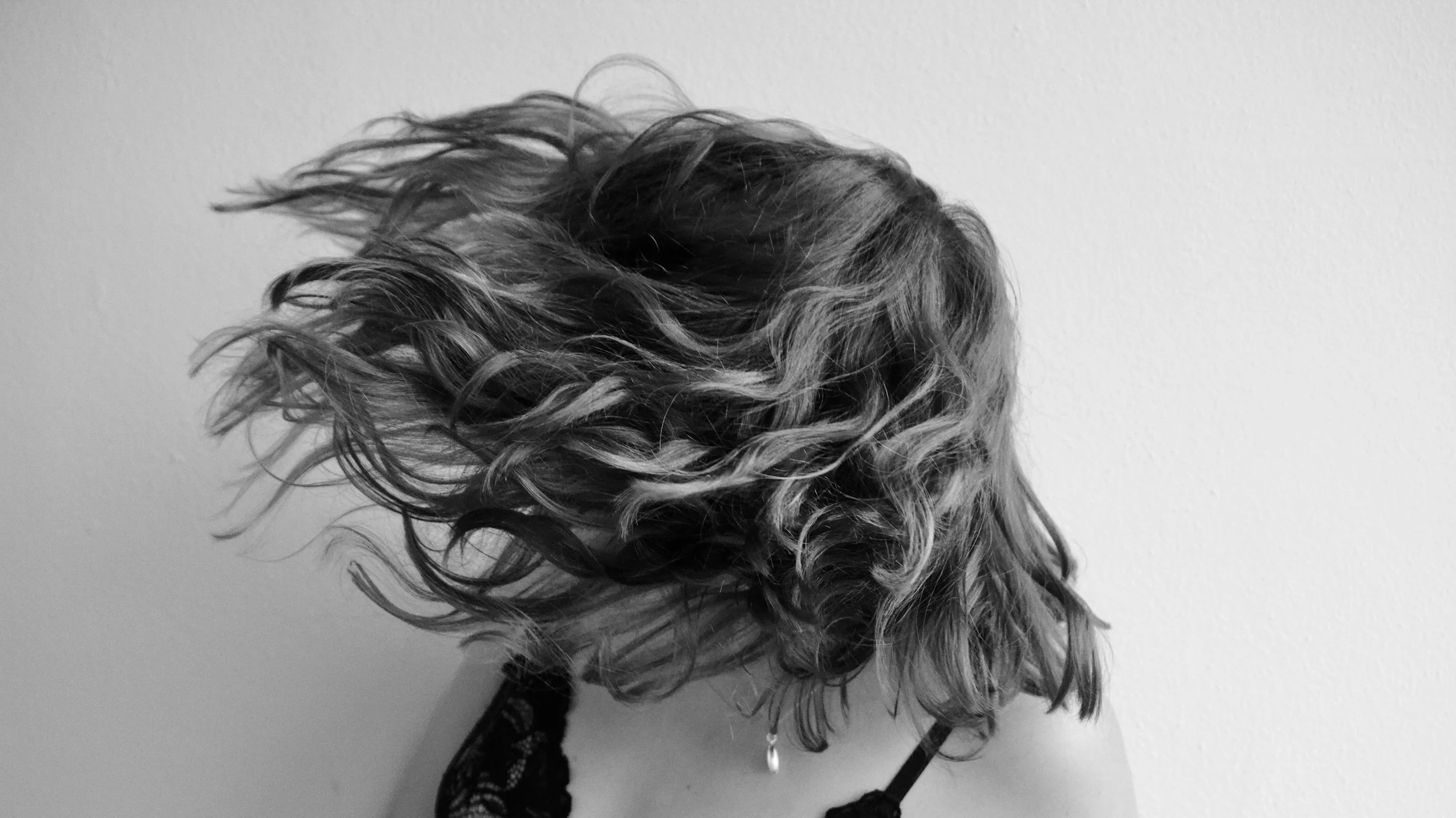

Photo by Erick Larregui on Unsplash
As hair gets greasier it can be tempting to wash it more. But if you wash your hair every day, your scalp feels like it needs to over-compensate by producing more sebum. You'll just end up in a vicious cycle of feeling you need to wash it every day. Try reducing how often you wash your hair and opt for sulphate-free products to help clarify the hair.
To combat greasy hair between washes and keep strands looking fresh and full of volume, try dry shampoo. Add it to your root area to absorb excess oils, sweat and impurities. It can also create volume and texture in yesterday’s hair do. Click here to read our recommendations for five of the best dry shampoos.
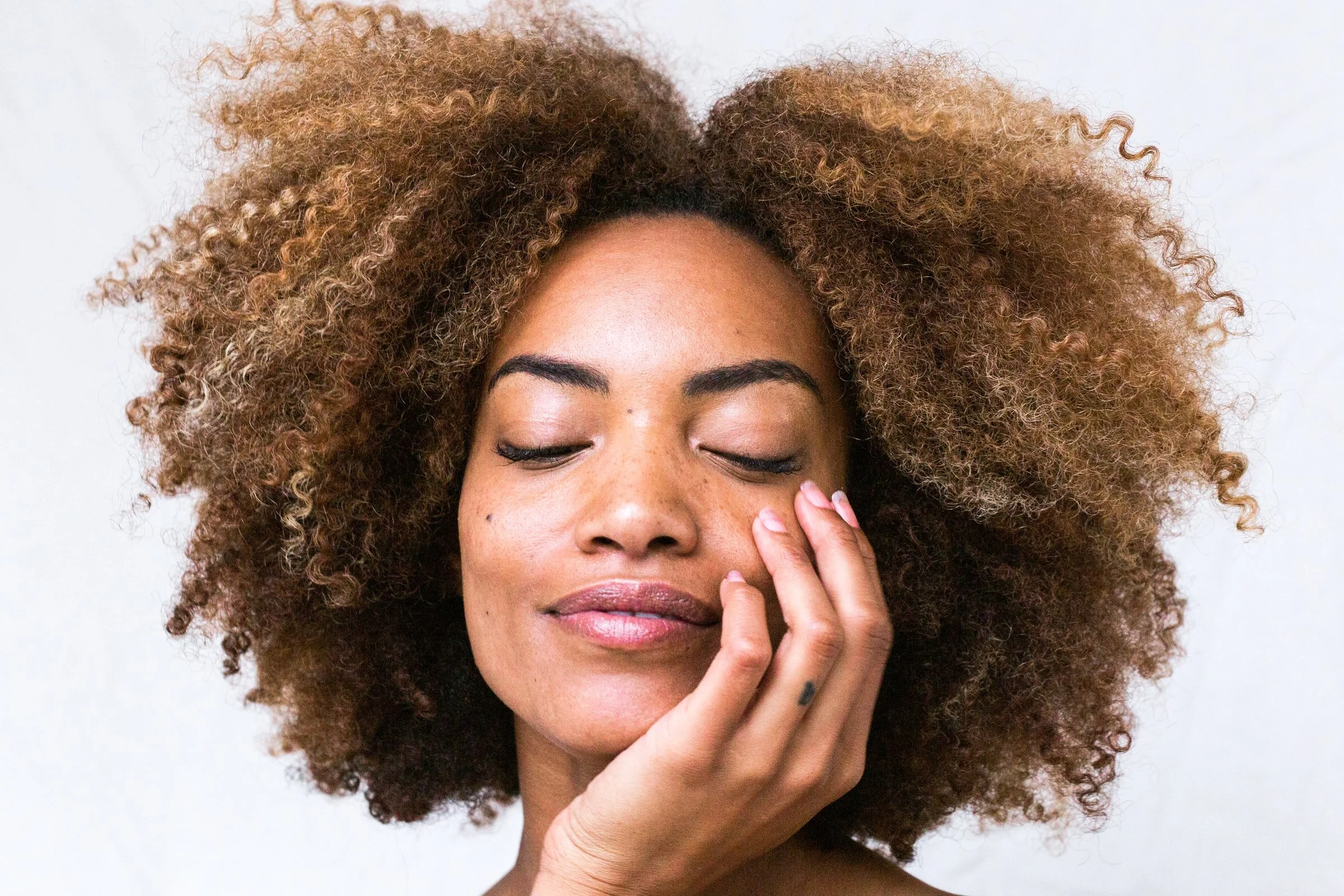
Photo by Park Street on Unsplash
With conditioner, avoid applying it at the root as this will only make the greasiness worse. The same goes for styling products which can create build up.

Supplements can really help your hair health. Start with vitamins B, zinc, copper, vitamin C and keratin. These all promote growth from the inside out.
Want a hairstylist approved secret to nourishing your dry scalp and encouraging hair health and growth? try using a hydrating hair oil before shampooing. Leave it in your half for half an hour, or even overnight, to give it time to nourish the scalp follicles and restore your hair's natural shine.
Very hot water in the shower (especially for fine hair which is more delicate) can make hair even more damaged and dry. Instead, opt for a lukewarm water rinse at the end of your shower or bath. Colder water means will cause the hair cuticle to lay flat, which leads to a shiny, glossy finish.
Heat protection sprays create a barrier between the hair cuticles and the hot air from your hairdryer and styling products, minimising any moisture loss and preventing breakage and split ends.

Wednesday, 24 December: 8.30am -12.30pm
Saturday, 27 December: 8.30am-2.30pm
Monday 29 December: 9.30am-5pm
Tuesday 30 December: 9.30am-5pm
Wednesday December 31: 8.30am-2pm
Back to normal opening hours on January 2, 2026.
Have a wonderful Christmas all!

1. Turn down the heat
Hot showers and high heat styling can strip moisture from your hair so in the winter try turning the shower down a bit. Using warm (not hot) water and lowering the temperature on your straighteners or curlers when you can will protect hair.
2. Don’t over-wash
Washing your hair too often can dry it and your scalp out even more in the winter. As a general rule, two to three hair washes a week is enough. If your roots get oily, try a little dry shampoo in between.
3. Add moisture with what you already have
If your hair is dry, leave your conditioner on for an extra few minutes in the shower or use it like a mini hair mask once a week.
4. Be gentle when drying
Hair is at its most fragile when wet. Avoid rough towel-drying and instead gently squeeze out excess water instead. If you can, let your hair air dry for a while before using a hairdryer.
5. Protect your hair from the cold
Hats and scarves are great for keeping warm, but they can cause friction and static. Try wearing your hair loosely underneath and avoid tight styles that pull on dry, winter-stressed hair.
A few small changes can make a big difference during the colder months. If your hair still feels dry, flat or unmanageable, pop into the salon — we’re always happy to help you adjust your routine for winter.
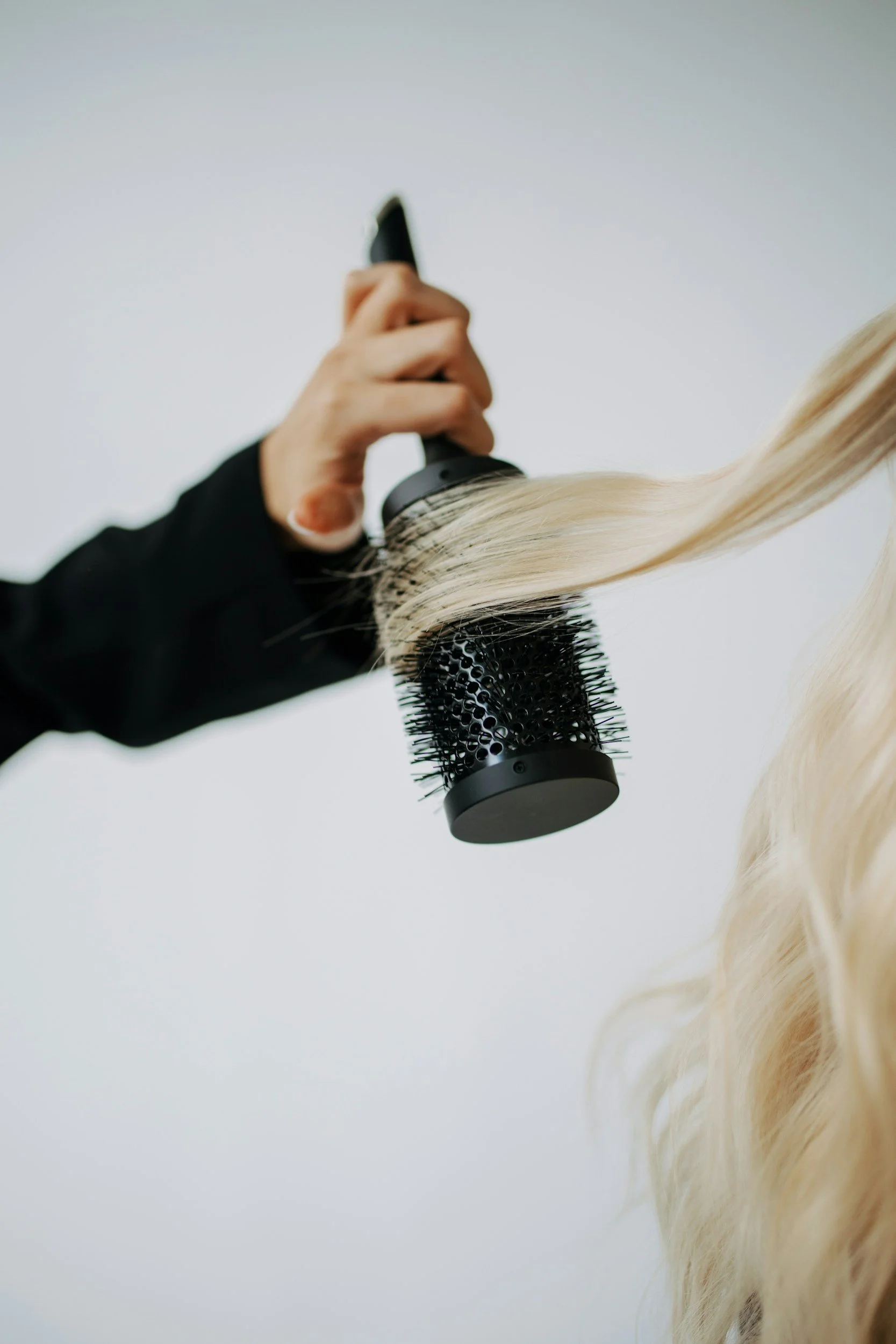
1. Using the ‘wrong’ brush
Not all brushes are created equal and it’s important to choose one that suits your hair type. Fine, thick, curly or textured hair each need something different. The ‘wrong’ brush can weaken the hair and cause breakage, while the right one helps detangle gently while stimulating the scalp. If brushing feels like a battle, it’s probably time to switch tools.
2. Washing too often… or not often enough
Overwashing can leave your hair and scalp dry, while underwashing can cause product buildup and irritation. For most people, washing around two or three times a week is the best way to keep hair healthy, and fresh.
3. Forgetting about your scalp
Healthy hair starts at the top - your scalp. If your scalp is dry, oily or full of product buildup, it can affect how your hair grows and behaves. Giving your scalp some attention can make a big difference to shine, strength, and overall hair health.
4. Heat styling without protection
We get it — heat tools are part of everyday life. But using them without a heat protectant can seriously damage your hair over time. A good heat protector acts like a barrier, helping prevent dryness, breakage and dullness.
5. Avoiding products altogether
Hair products aren’t the enemy. When used correctly, they protect your hair, add shine and can help maintain your style. The key is using the right products for your hair type — not skipping them entirely.
The good news?
Most hair damage can be improved with a few small changes. Gentler brushing, better washing habits, scalp care and proper heat protection can transform your hair faster than you think.
Not sure what your hair needs? Whether you’re a regular client or visiting us for the first time, we’re always happy to recommend the right tools, products, and routine for your hair.
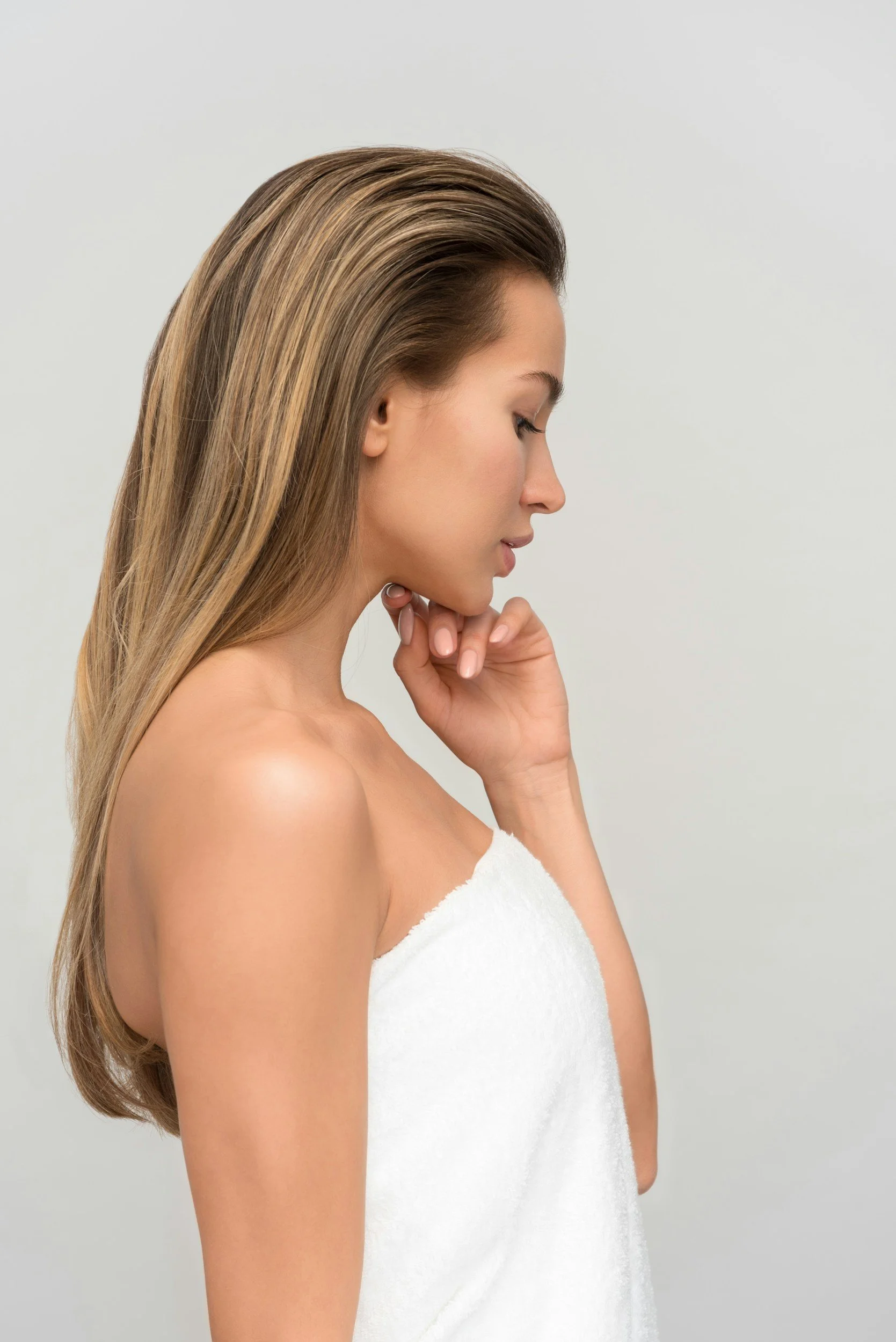
1. Experiment with different styles
During the awkward phase, experiment with different hairstyles to find what works best for you. Try plaits, messy buns and ponytails to keep things interesting.
2. Get regular trims
Although it may seem counterproductive, getting regular trims can help your hair grow longer and keep it healtthy. Having a trim every six to eight weeks helps avoid split ends from travelling up the hair shaft, causing additional damage and breakage.
3. Avoid over-shampooing
Over-shampooing can strip your hair of its natural oils, leading to dryness and breakage. Ideally wash your hair every other day or every two days, depending on your hair type.
4. Use heat protection products
Using hot styling tools such as straighteners, curlers or your hairdryer can damage your hair. Protect it by applying a heat protectant before using hot tools, which helps reduce breakage and split ends.
5. Stay positive
The awkward phase can be frustrating, but it's important to stay positive and remember that it's only temporary. Keep your hair healthy and take care of it, and before you know it, you'll be out of the awkward phase and well on your way to achieving your hair goals!

To help you protect your hair and keep it healthy, we’ve broken down five things you could be doing that are damaging your hair - and how to avoid them.
We get it—ponytails and buns are quick, stylish, and perfect for busy days. But when they’re pulled back too tightly, they can put excessive tension on the hairline, leading to breakage and even permanent hair loss.
Styles like high snatched ponytails, tight plaits and ultra-sleek buns all rely on strong tension. If you’ve noticed redness, soreness or even tiny broken hairs around your edges after wearing these looks, it’s time to switch things up.
Loosening your style, changing where the tension sits, and giving your hairline regular breaks can make a big difference in preventing long-term damage.
Using strong-hold gels and hairsprays can help achieve a polished look—but every day usage can make your hair dry, stiff and prone to breakage. Dermatologists warn that brushing or combing hair after applying these products can actually snap the strands.
Slicked-back styles in particular often mean brushing and reshaping the same areas repeatedly, which can cause thinning over time. If you love a sleek look, try alternating with softer styles and using products designed to be gentle on the hair.
Nighttime habits matter just as much as daytime ones. Sleeping in large rollers, metal clips, or tightly wrapped headscarves can put hours of pressure on the same parts of your scalp. Over time, this constant strain can irritate the follicles and cause thinning around the edges.
Switching to loose, satin sleep caps or soft scrunchies can help minimise tension while still protecting your style.
Backcombing is great for adding lift and volume—but done too often or too harshly, it can seriously damage your hair.
The teasing process roughens the outer layer of your strands, making them weaker and more prone to snapping. If you usually backcomb the same area (especially the crown), the repeated stress can make your hair look thinner even if the follicles themselves are still healthy.
For safer volume, try gentler techniques like root-lifting sprays, volumising mousses, or a round-brush blowout.
Straighteners, curlers and hairdryers are staples in most routines—but too much heat, or using it too close to the roots, can weaken the hair and cause breakage.
Using high heat daily, straightening from the root, or blow-drying soaking wet hair on full blast can all contribute to thinning at the crown and hairline. Experts recommend keeping tools on low to medium heat, using heat protectant, and cutting back on daily heat styling where possible.
A little redness or a few broken hairs might not seem like a big deal at first, but these early warning signs mean your hair is under stress. The good news? Small changes to your routine can help prevent long-term damage.
Here are some easy ways to protect your hair:
Loosen tight hairstyles and avoid constant tension
Give your hairline regular “rest days”
Choose gentler products and avoid heavy application every day
Limit heat use and always use heat protectant
Opt for silk or satin at night to reduce friction
Healthy hair starts with mindful habits—and we’re here to help. If you’re worried about thinning or want personalised advice, book a consultation with one of our stylists.
We’ll help you find styles and routines that keep your hair looking gorgeous while protecting it for the long-run.