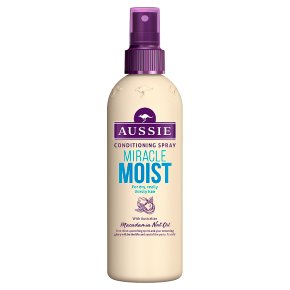
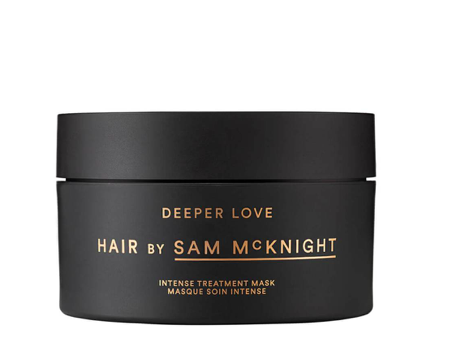
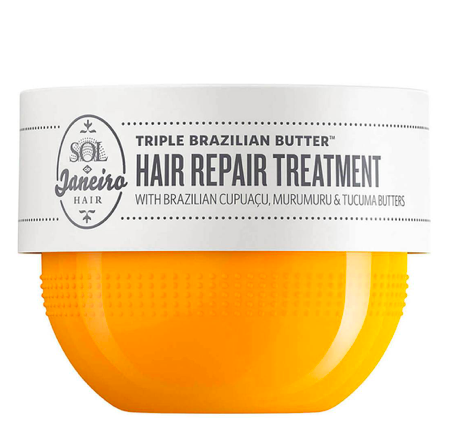
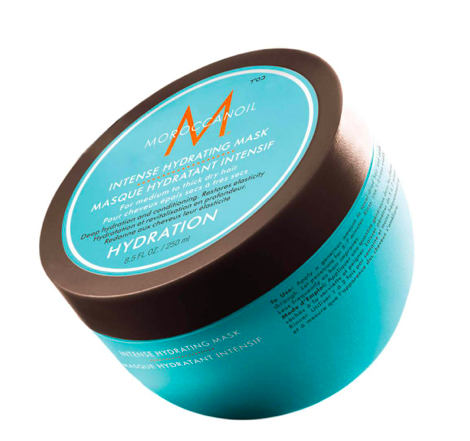
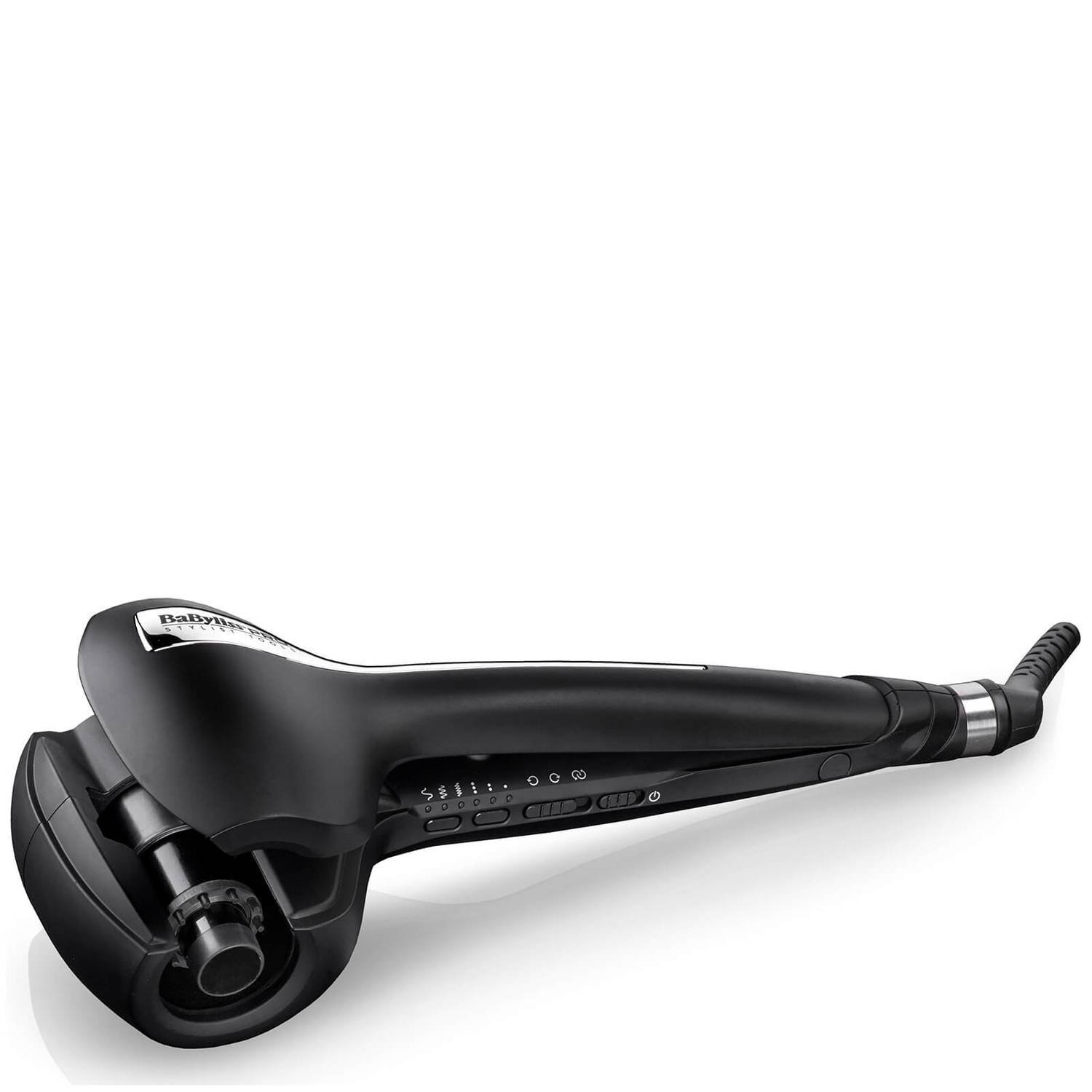
How to fix frizzy hair: your step by step guide (and the frizz-busting products we love)

If you have curly hair you’ll know what a challenge it can be to keep the frizz factor under control.
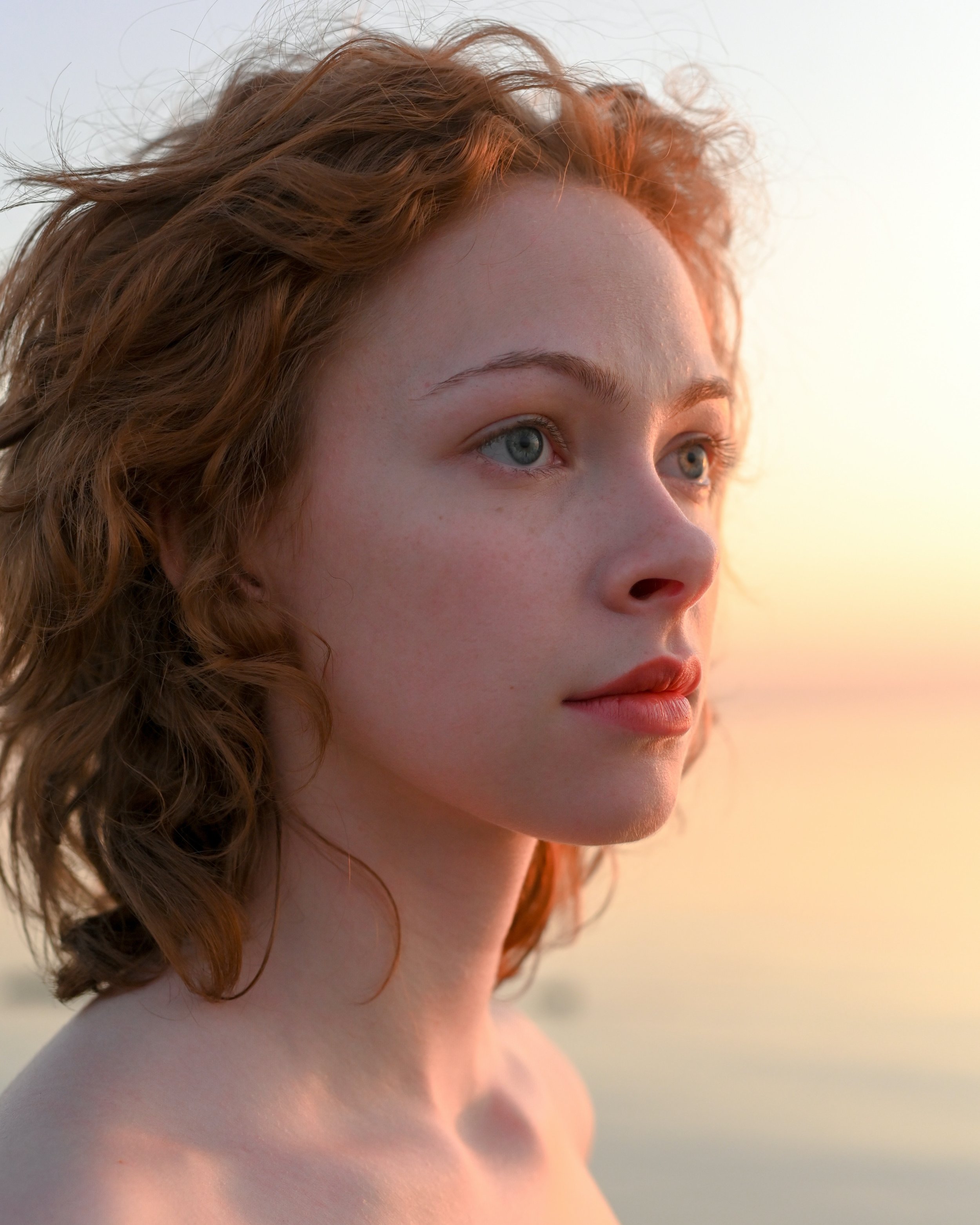
To effectively tackle frizzy hair, you need to focus on adding moisture, minimising heat and friction and using the right products for you. This means gentle sulphate-free cleaning, deep conditioning and the best styling techniques that help to smooth the hair cuticles.

Gentle cleansing: That means investing in sulfate-free shampoos and conditioners that add moisuture. Avoid over-washing as this can strip the hair of its natural oils and make the frizz factor even worse.

Invest in deep conditioner: Doing a weekly hair mask or using deep conditioner once a week will repair frizzy hair and add intense hydration.

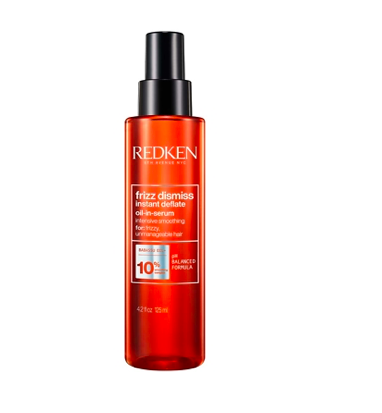
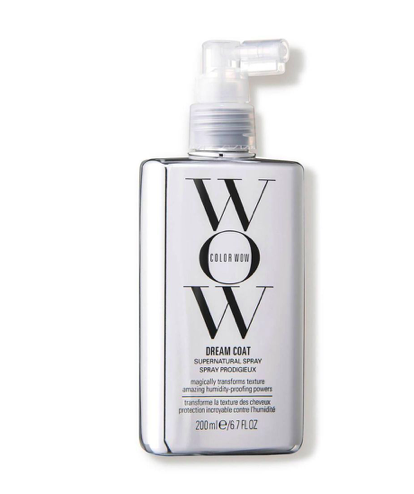
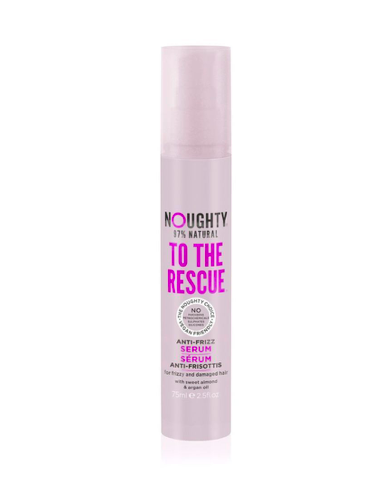
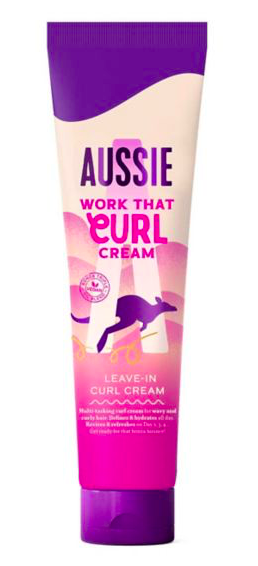
Use leave-in treatments: Serums, leave-in conditioners and hair oils can lock in moisture and protect against the humidity that can lead to frizzy hair.

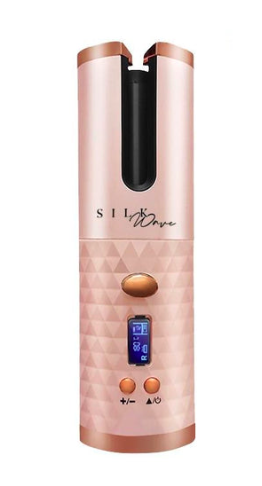
Chill out on heat styling: Use styling tools on the lowest settings and use a heat protectant spray to keep hair from getting frazzled.

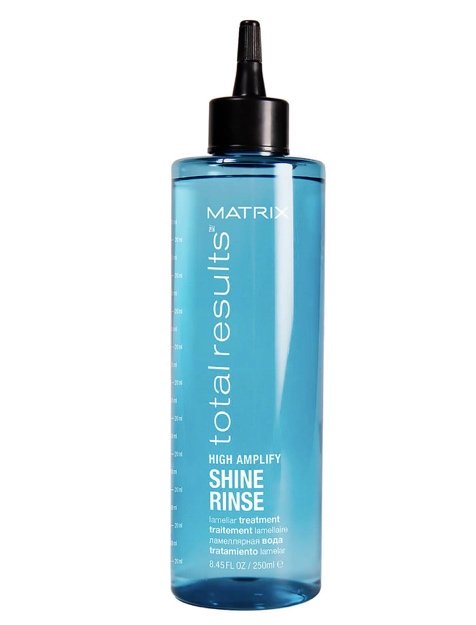
Cold water rinse: End your shower with a cold water rinse as this seals the hair cuticle making it look shinier, and reducing the frizz factor.

Gentle drying: Carefully blot hair dry with a microfibre towel or cotton T-shirt instead of rubbing vigorously with a towel. And always wait for hair to dry a bit before brushing it as this can cause frizz and breakage.
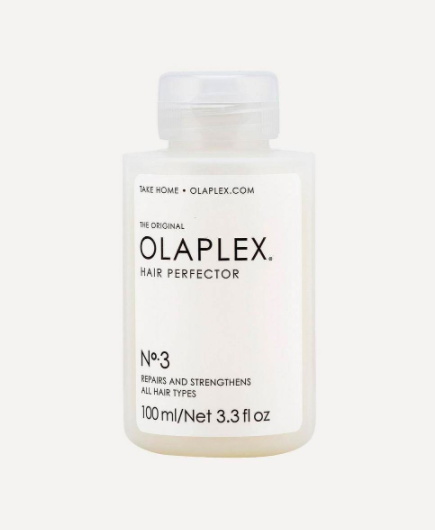
Dry hair? These the the best hair masks to rehydrate

If your hair is damaged and dry then there’s one thing you need to invest in… a hair mask.

The beauty of a hair mask is that they get deep into hair strands and the cuticle to repair breakage and strengthen from root to tip. If you have dyed hair they are also a must.

“The key with hair treatments is to keep them up and ensure they are used weekly to keep hair condition at its best,” recommends Sam McKnight, celebrity hairstylist and founder of Hair by Sam McKnight.

Read on for our list of the best hair masks for dry, damaged hair.

How hormones can affect your hair - and what to do about it

Hormones play a crucial role in the body and that includes hair growth and loss. They can influence how thick your hair is, how fast it grows and even changes in texture and colour. Here we answer some of your top questions around hormones and hair.

How do hormones affect hair growth?

If you’ve ever been pregnant you probably remember your hair being thicker and shinier than ever before, whereas when we get older and our oestrogen levels drop we might notice hair thinning or shedding.

Will my hair colour be affected by my hormones?

Short answer, yes. Hormones can something affect the result of your hair dye and it could mean it doesn’t take as well, fades quicker or doesn’t lift. But it can also make hair more responsive and it’s hard to predict as everyone is individual and hormones affect everyone differently. If you’re worried then we can give you a strand test before your hair appointment.

Do hormones make my scalp more sensitive?

Yes, scalp tenderness can be affected by hormones and you might notice that brushing, washing or combing hair is uncomfortable when you are on your period. For this reason we’d recommend avoiding booking your appointment when your scalp is feeling extra sensitive as we want you to have the most relaxing and pleasant experience possible.

These are the hair masks to beat dry and damaged hair

If you have dry and damaged hair then you need to get your hands on a hair mask!

The beauty of a hair mask is that they get deep into hair strands and the cuticle to repair breakage and strengthen from root to tip. If you have dyed hair they are also a must.

“The key with hair treatments is to keep them up and ensure they are used weekly to keep hair condition at its best,” recommends Sam McKnight, celebrity hairstylist and founder of Hair by Sam McKnight.

Read on for our list of the best hair masks for dry, damaged hair.